
Does Homeowners Insurance Cover Water Damage?
Understanding the Scope of Your Homeowners Insurance
One of the most common questions homeowners ask is “Does insurance cover water damage?” The answer isn’t always straightforward, as water damage insurance claim coverage depends on the source of the leak and the specifics of your insurance policy. Generally, homeowners insurance does cover water damage if it is sudden and accidental. For instance, if a pipe bursts unexpectedly, the resulting water damage is typically covered. However, there are nuances and exceptions that are important to understand.
Sudden vs. Gradual Damage: The Key Difference
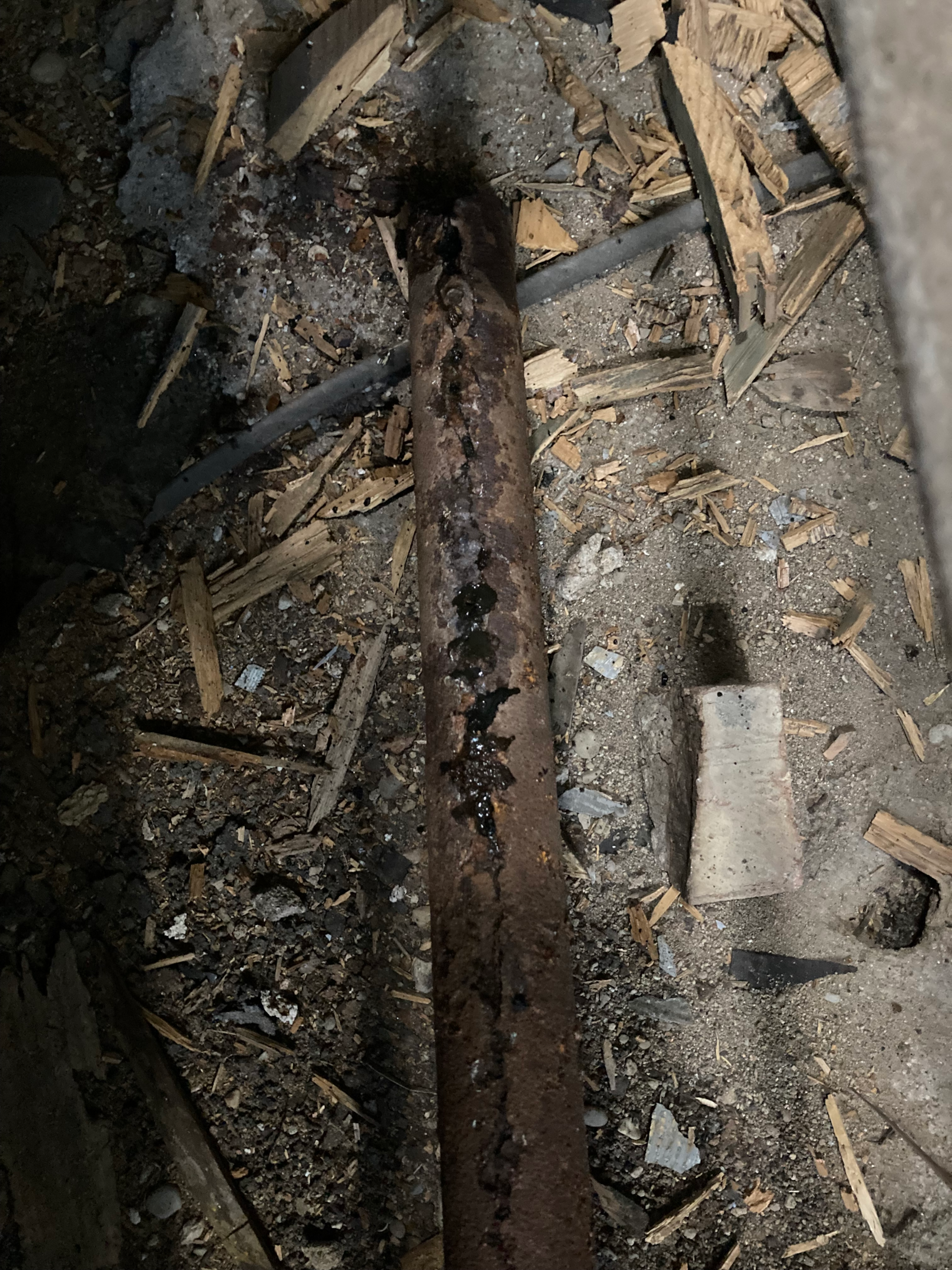
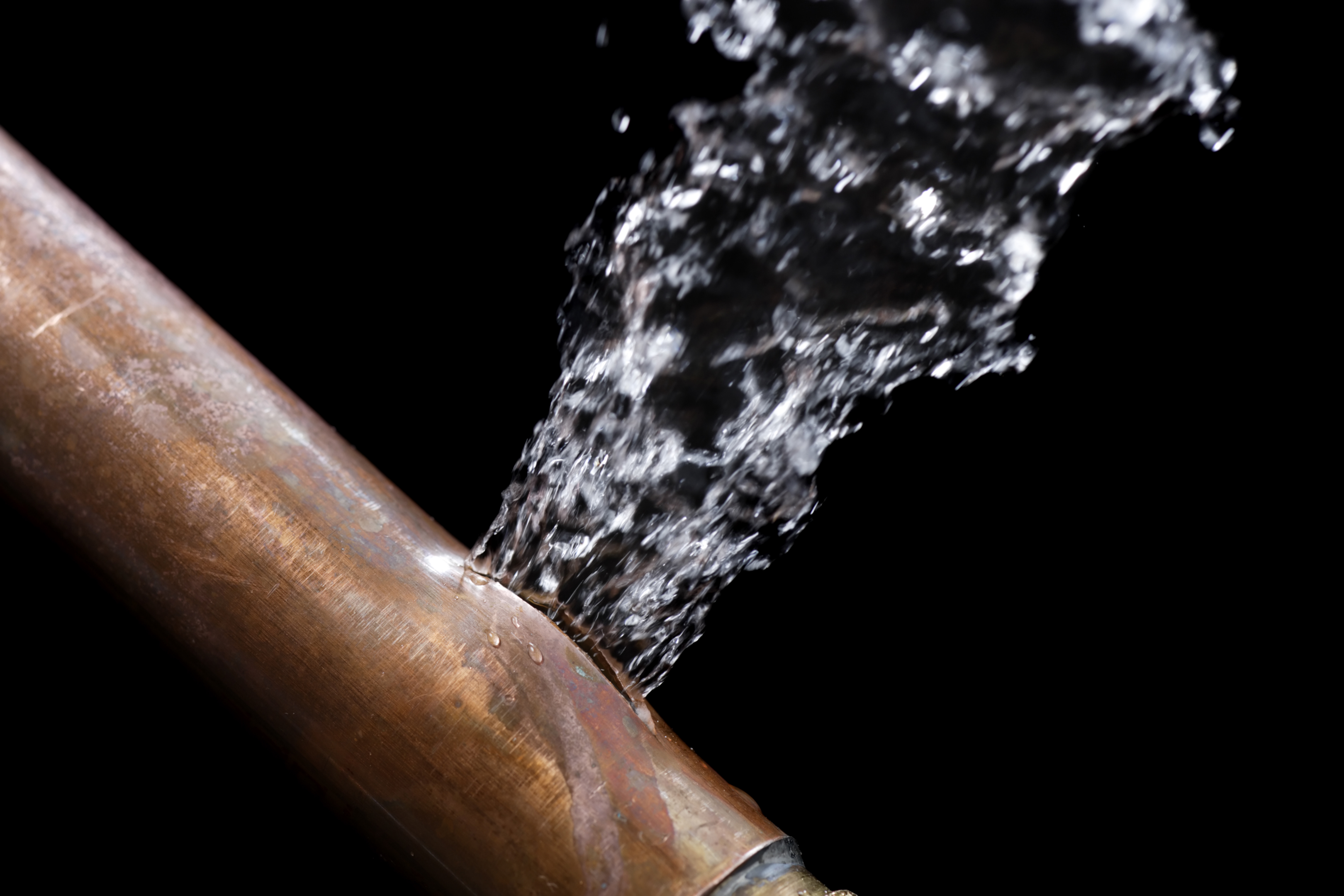
The primary factor that determines insurance coverage is whether the damage is sudden or gradual. Homeowners insurance usually covers sudden and unforeseen water damage. This means that if you wake up to a burst pipe or an overflowing washing machines, you’re likely covered. On the other hand, gradual damage, which occurs slowly over time like a slow pipe leak or a roof that’s been leaking for months, is often not covered. This is because slow progressing damage is considered a maintenance issue, which homeowners are expected to address before it leads to more significant problems, therefore they are not covered perils.
Exceptions and Exclusions to Keep in Mind
It’s crucial to be aware of the exceptions and exclusions in your policy. For example, most policies do not cover water damage resulting from unresolved maintenance issues or neglect. A leaky roof versus a burst pipe. Also, under standard homeowners insurance policies, it does not cover flood damage due to extreme weather factors like flooding.
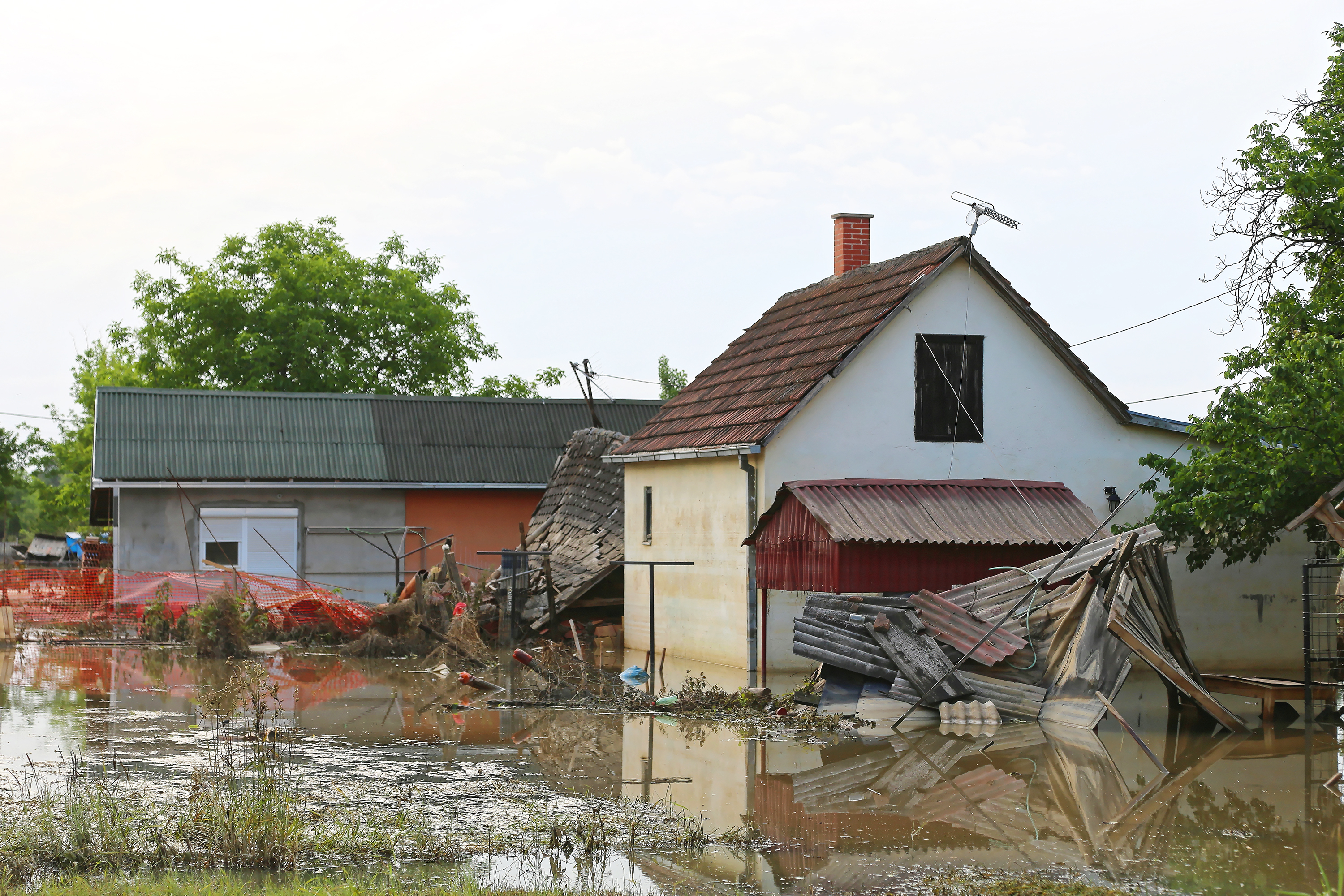
For such scenarios, you would purchase flood insurance through the National Flood Insurance Program. Flood damage can be extensive and very expensive. It causes more than interior damage, it also causes damage to exterior of your home like downed trees or siding and gutters ripped off. If you live in a registered flood zone, it is important that you purchase additional flood insurance. Understanding these exclusions helps in assessing whether you need additional coverage.
Preventative Measures and Maintenance
To ensure that you are covered in case of water damage, it’s essential to maintain your home and address any routine maintenance issues promptly. Regularly inspect your plumbing water supply lines, roof shingles for roof leak, clogged guters and downspouts, and inspect hoses on appliances for signs of wear and tear. Fix leaks as soon as they are detected. Drain water heaters regularly to prevent sediment buildup that will cause them to fail and burst. These preventive measures can not only prevent water damage but also strengthen your case if you ever need to make a claim.
Most Expensive Home Insurance Claims?
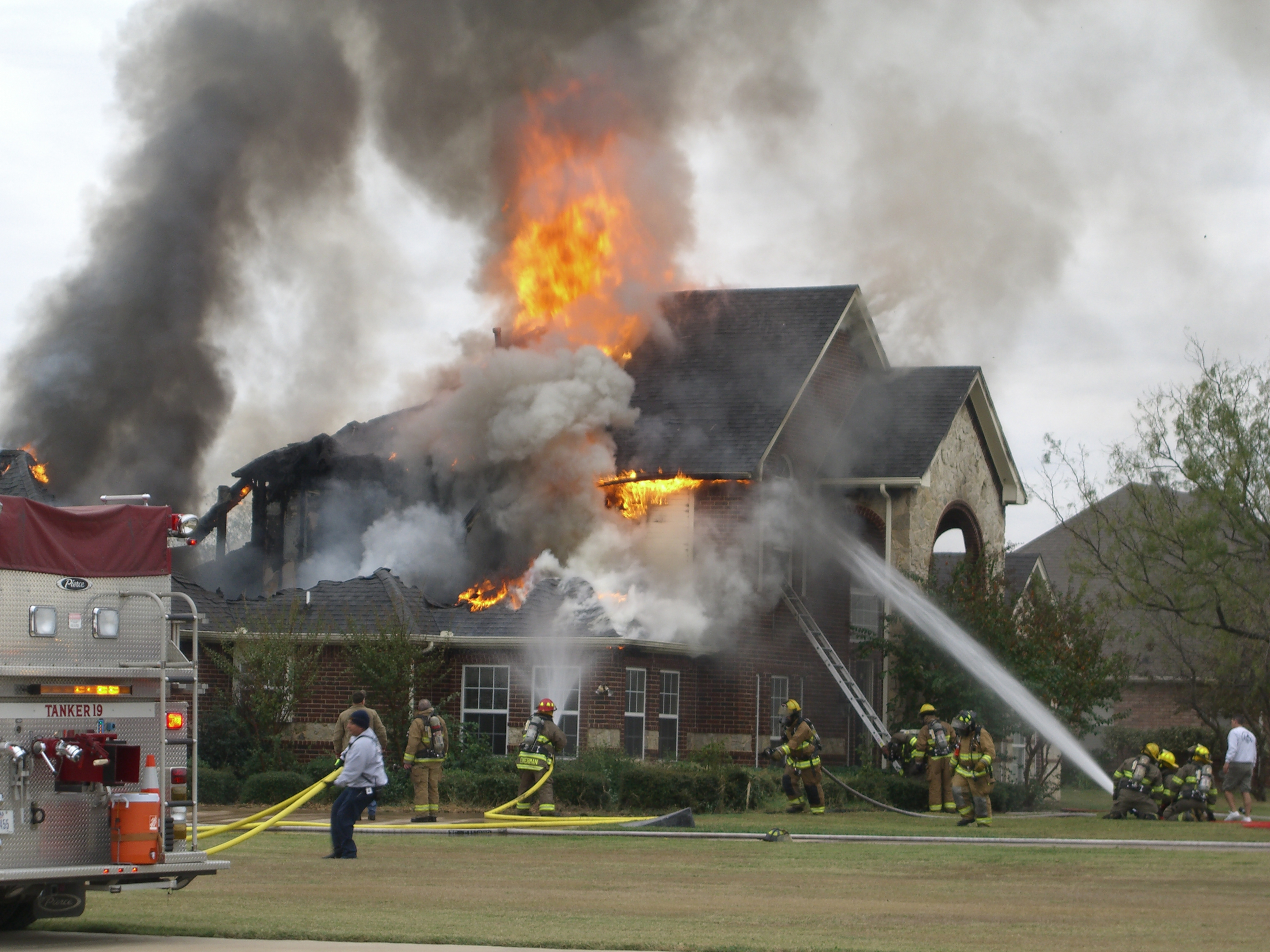
When it comes to home insurance claims, certain types are notoriously more expensive than others, often leading to substantial financial implications for both homeowners and insurance companies. Among the most costly are claims related to natural disasters such as hurricanes, earthquakes, and floods. These catastrophic events can cause extensive damage to property, necessitating extensive repairs or even complete rebuilding.
Fire damage claims are also among the priciest due to the extent of destruction fires can cause, including structural damage and loss of personal belongings as well as water damage caused from extinguising the flames. Liability claims, arising from accidents or injuries on a homeowner’s property, can also lead to significant payouts, particularly if they involve long-term medical care or legal disputes.
Another high-cost category is water damage, particularly when it leads to mold, which requires comprehensive remediation. These expensive claims highlight the importance of having adequate coverage, as they can not only devastate a property but also bring about costly repairs causing financial challenges without proper insurance support.
How do I know if I have the right coverage?
Determining if you have the right homeowners insurance coverage can sometimes feel like navigating a labyrinth of policies and jargon. It’s crucial to regularly assess your homeowners insurance policy to ensure it aligns with your current needs and lifestyle changes. Your insurance policy should provide peace of mind, knowing that you’re protected against various risks without overpaying for unnecessary coverage.
Understanding Policy Details and Limits
Start by thoroughly understanding the details of your existing homeowners policy. Do you have enough personal property coverage to replace damaged items in today’s market? For instance, in homeowners insurance policy, ensure that the coverage amount reflects the current replacement cost of your home, not just its market value or the price you paid for it.
Similarly, other structures on your property (sheds, pole buildings, fences, or even playground equipment) must be insured separately. Check if the coverage limits are high enough to protect you against significant financial losses in case of extensive damage.
Insurance agent role
Choosing the right insurance agent can be difficult, but it shouldn’t be. Insurance agents are the ones who get paid to make sure you have the correct coverage for your property. There is no such thing as a standard homeowners insurance policy. Every home is different, with different occupants and different personal property items. It is highly recommended that you request your agent to inspect your home once a year to make sure the home and it’s property is covered correctly. Things like sump pump failure, water heater failure, burst pipes, and water backup coverage are all items that may need an additional rider.

Comparing Policies and Shopping Around
Don’t hesitate to shop around and compare different policies. Insurance companies offer a variety of coverage options and premiums, so it’s beneficial to explore the market to find a policy that offers the best value for your specific needs. When comparing, look beyond just the premiums; consider deductibles, covered perils, exclusions, and the reputation of the insurance company for customer service and claims handling.
Consulting with the Insurance company
If you’re unsure about your coverage needs, consulting with an insurance professional can be invaluable. They can help assess your risk factors, explain complex policy details, and recommend appropriate coverage levels. A professional can also assist in identifying any gaps in your coverage and suggest ways to fill them.
Knowing if you have more than a standard homeowners insurance policy involves understanding your current homeowners policy, staying aware of how life changes affect your insurance needs, comparing options in the market, and seeking professional advice when needed. Regular reviews and updates to your policies will help you stay adequately protected and financially secure in the face of life’s uncertainties. Make it part of your home maintence plan, to schedule an annual appointment with your agent to review your policy and coverages. Unexpected expenses after a loss could cause you to need additional personal loans or worse, have to live with the damage until you can afford to fix it.
What is the Roll of a Claims Adjuster?
Clarifying the Function of a Claims Adjuster in the Insurance Process
The role of an adjuster is pivotal in the insurance claims process, acting as a bridge between the policyholder and the insurance company. These professionals are tasked with inspecting damage, assessing claims, and determining the amount the insurance company should pay.
When a claim is filed, the adjuster is responsible for gathering facts about the incident, which includes interviewing the claimant, inspecting property damage, and deciding if there’s a covered peril. They play a critical role in ensuring that claims are processed fairly and efficiently.

Balancing Objectivity and Empathy
Claims adjusters must maintain a balance between objectivity and empathy. While they need to protect the financial interests of the insurance company, they also understand that claimants are often going through a stressful and emotional time. Therefore, they approach each case with a mix of professional detachment and compassion, making sure that legitimate claims are paid out correctly and promptly, while also identifying any insurance fraud or exaggerated claims.
Technical Skills and Knowledge
The job requires a thorough understanding of homeowners insurance policies and the ability to interpret complex documents. Adjusters often have a background in areas relevant to a homeowners insurance claim, such as construction for dwelling coverage and gathering information for personal property coverage. They must also stay updated with the latest laws and regulations governing insurance claims in their jurisdiction. They have to have skills of an archictecturer, a home builder, HVAC and plumbing, as well as an electrician.
Some adjusters don’t take the time to learn the in’s and out’s of water damage restoration and reconstruction. Therefore, it is also important that you lean on your agent for help when having issues with the adjuster.
Negotiation and Communication
A significant part of an adjuster’s role involves negotiation and communication. They must effectively communicate with various parties involved in a claim, including claimants, lawyers, and contractors. As the insured, you are owed exactly what your policy covers to restore your home to preloss conditions. Nothing more and nothing less.
Negotiation skills for an adjuster are essential, especially when there are disputes about the value of a claim. The adjuster must find a resolution that satisfies all parties while adhering to the policy terms. Always keep the declaration page and a copy of your policy on file. It will help you understand what your carrier provide coverage for.
Do I Have To Use the Contractors My Homeowners Insurance Recommends?
You Have a Right To Choose Who You Hire For Water Damage Insurance Claims
Understanding Your Rights in Water Damage Situations
When faced with water damage in your home or business, it’s crucial to understand that you have the right to choose who you hire to manage your water damage claim. This decision is not just a matter of preference, but a fundamental right that can significantly impact the outcome of your claim. YOU DO NOT HAVE TO CHOOSE WHO YOUR CARRIER SUGGESTS. IN FACT IT IS ILLEGAL FOR THEM TO FORCE YOU TO USE ONE COMPANY OVER ANOTHER.
Many people are not aware of this and often go with the first recommendation. However, it’s important to remember that you are the client, and you have the power to select the contractor who best meets your needs. Many insurance carriers have programs where contractors pay to get claims. This can be a conflict of interest.
Why Choosing the Right Contractor Matters
The importance of choosing the right water restoration company cannot be overstated. A good water damage expert will not only provide quality service but also assist you in navigating the complexities of homeowners insurance claims. They will help ensure that your claim covers all necessary repairs and that the work is done to a standard that prevents future issues.
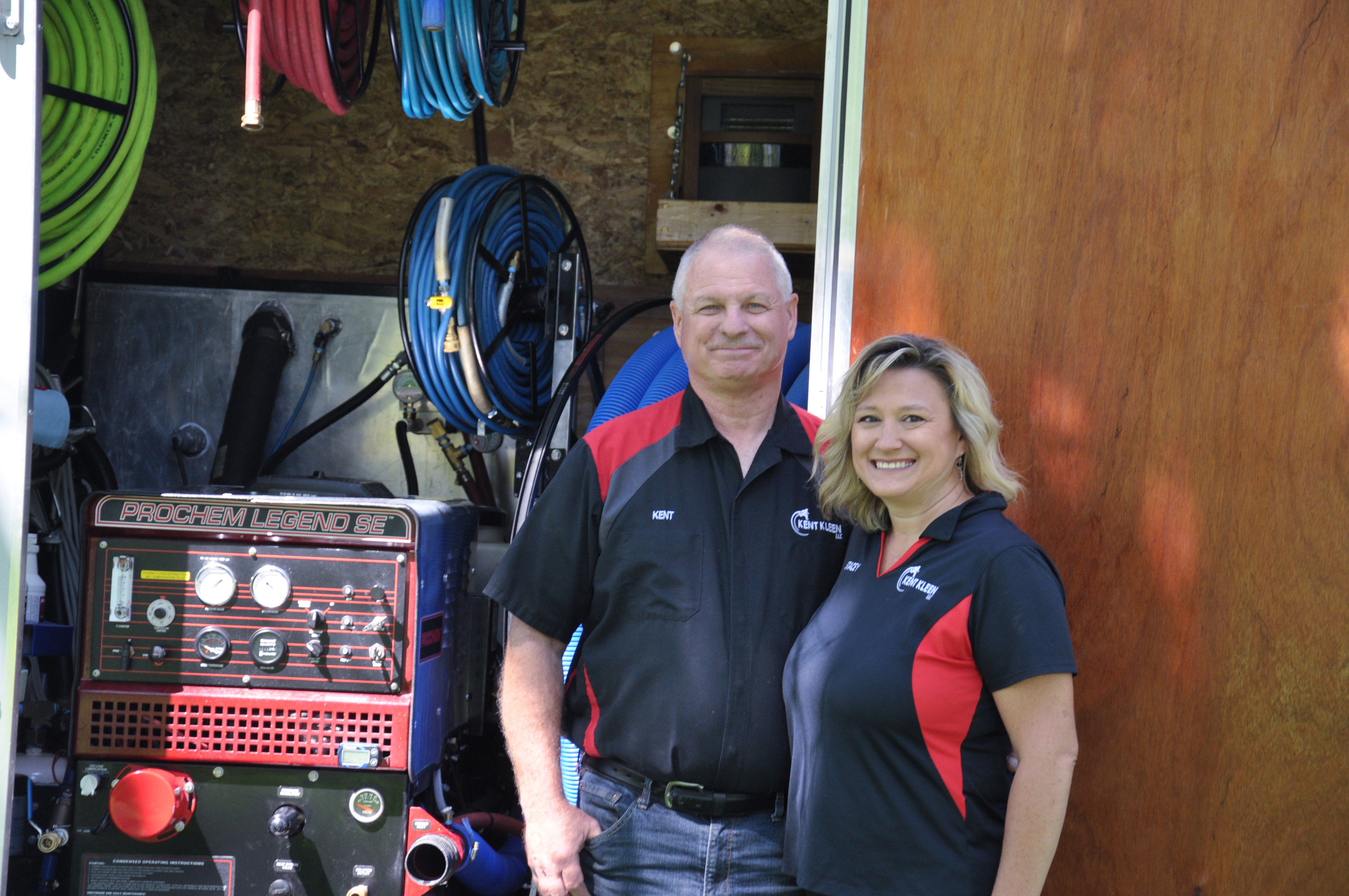
The International Institute of Cleaning and Restoration (http://www.iicrc.org) is the governing agency for water damage restorers. They have written the standards, which are ANSI Certified, that all contractors should follow. There are standards written on flood damage, broken pipes, roof ice dams, water seepage from clogged gutters, and how to handle standing water and mold removal. A good water damage restoration company (https://kentkleenllc.com/about-us/) will abide by these standards and receive certification from the IICRC.
A less experienced or less scrupulous contractor may overlook critical aspects of the damage, leading to more problems down the line like mold and mildew growth.
Tips for Selecting the Best Contractor
When selecting a contractor, it’s vital to do your research. Look for a contractor with experience in dealing with water damage and insurance claims. Check their credentials, read reviews, and ask for references.
Don’t forget that time is of the essence. Your homeowners policy requires you to do your due-dilligance to minimize damage. You should feel confident in their ability to handle your claim effectively and efficiently. Remember, this is about preventing further damage and restoring your property back to preloss conditions as soon as possible, with the least amount of stress.
Navigating the Insurance Process
Dealing with insurance can be daunting, but having the right contractor by your side can make all the difference. A knowledgeable contractor can advocate for you, ensuring that your home insurance carrier provides a fair assessment and compensation for the damages. They can help document the damage, submit the necessary paperwork, and follow up on the home insurance claim process. This support can be invaluable in ensuring that you receive the full benefits that your policy provides.
Examples of Covered Water Damage
It is important to clarify that every policy is written different and every state has differnt laws on what home insurance can cover and not cover. Some states require a separate policy for certain items. The Insurance Information Institute is a good source for getting information on local coverage laws.
It is also important to know that renters insurance is needed if you do not own your property. This will give you liability coverage incase you or someone in your home accidently caused the damage. It will also give you coverage for all your personal belongings and provide some coverage for a hotel or other living arrangements if the home is unlivable.
Most homeowners insurance cover water damage caused by burst pipes, ice dams, leaking plumbing or accidental leaks. Damages that are not likely covered by homeowners insurance are breakages from lack of routine maintenance, water flow from storm surge or heavy rain and seepage through foundation. Mold removal and mildew removal may be a covered peril if the source of water damage was a covered loss.
Dealing With Water Damage is Not Easy!
As you can see, navigating through a water damage loss can be exhausting and stressful. Having a solid homeowners insurance policy is the first step in making thr project simpler. Meet with your agent annually to ensure your coverages are correct. Purchase flood insurance if you live in a registered flood plain and perform routine maintenance on your home to prevent a loss from the beginning.

Finally, if you do have a water damage loss, do your due-dilligence to minimize further damage, and hire a qualified professional water damage restoration company. You have the right to choose who comes into your home. Make sure it is someone you trust. The right one will become like family to you. You will see them on what could be the worst day of your life, so make sure you are comfortable working with them.

Thank you for sharing this insightful article! I found the information really useful and thought-provoking. Your writing style is engaging, and it made the topic much easier to understand. Looking forward to reading more of your posts!