

Understanding the Water Damage Restoration Process and Its Importance
Water damage can strike your home or business at any moment, whether it’s from a burst pipe, heavy rainfall, or flooding. When it does, it’s crucial to act fast. Water damage restoration is not just about removing water; it’s a comprehensive process designed to restore your property to its pre-damage condition. This article delves into what water damage restoration is, the steps involved, and why it’s vital to address water damage promptly and professionally.
Understanding Water Damage Restoration Process
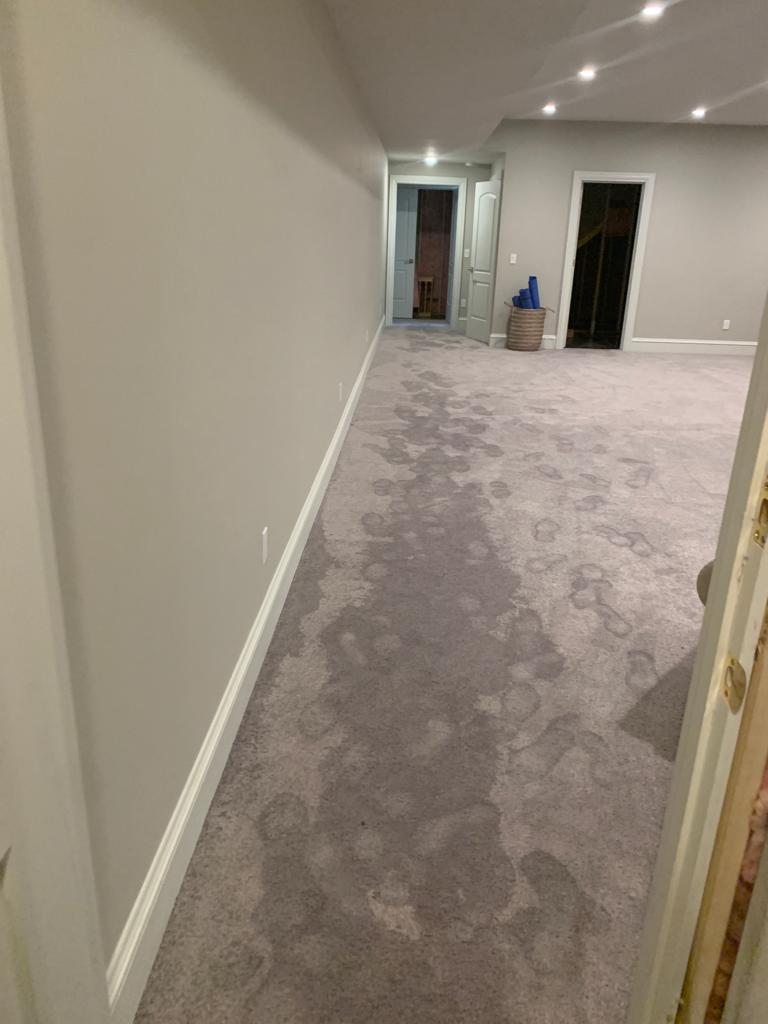
Water damage restoration is the process of cleaning, repairing, and restoring a property after it has been affected by water. The drying process is not one-size-fits-all; it varies depending on the extent and type of water damage. The goal is to mitigate potential damage, prevent the growth of mold and mildew, and bring your space back to safety and normalcy.
The Steps of Water Damage Restoration Process
Inspection and Assessment: Water damage restoration begins. Professional water damage restoration company will first assess the extent of the water damage, categorizing and classifying it to devise an appropriate plan of action. (http://www.iicrc.org provides the standards)
Water Removal: The immediate priority in the water restoration process is removing standing water using pumps and vacuums. This step is crucial to prevent the spread of water and minimize damage.
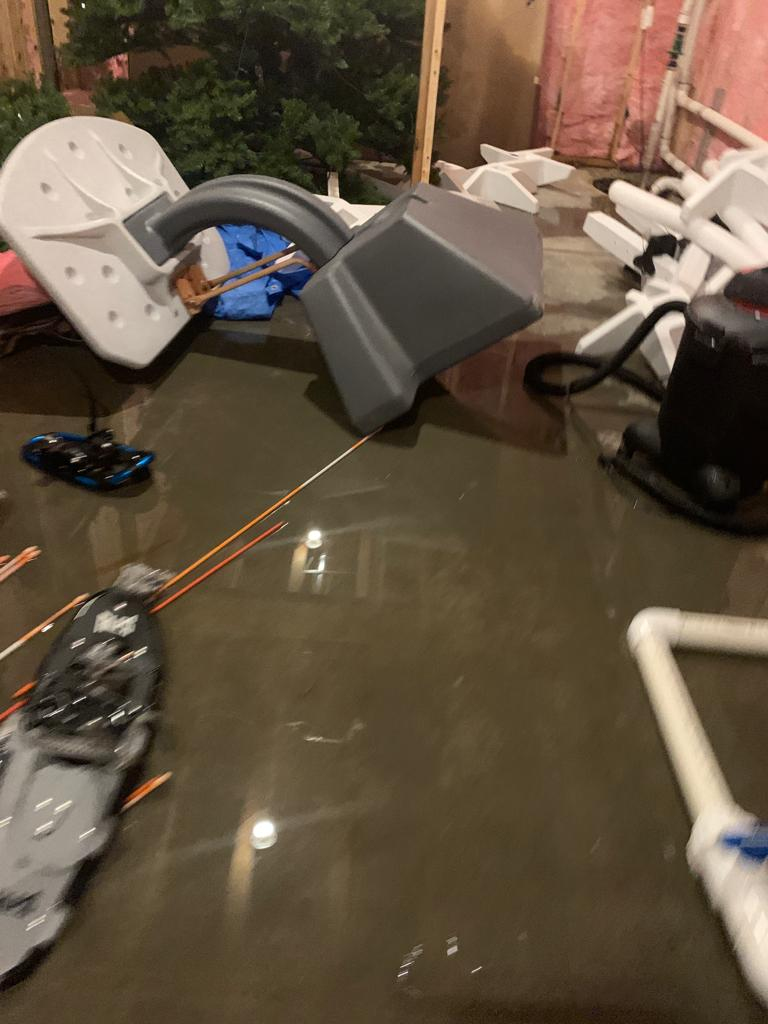
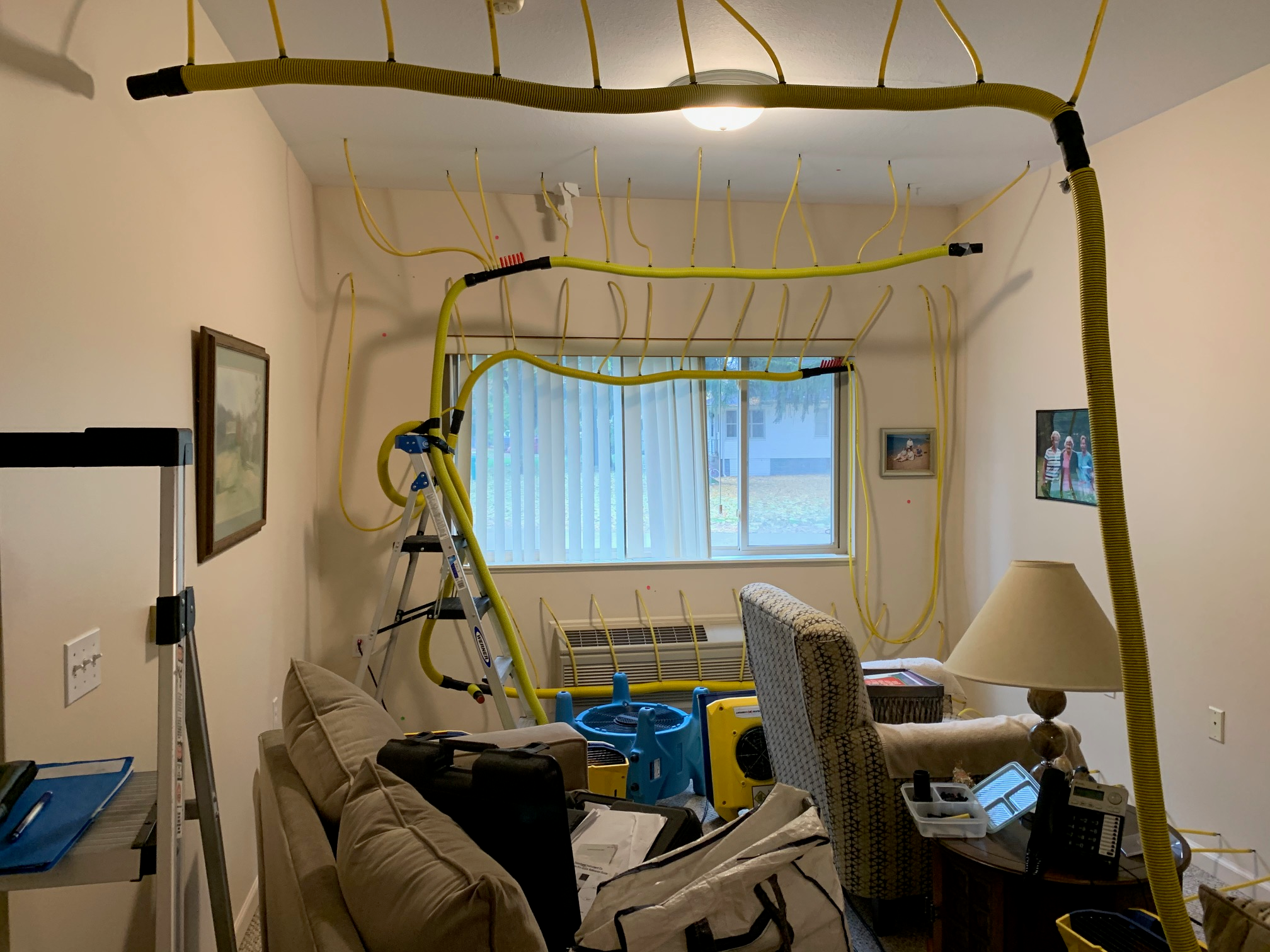
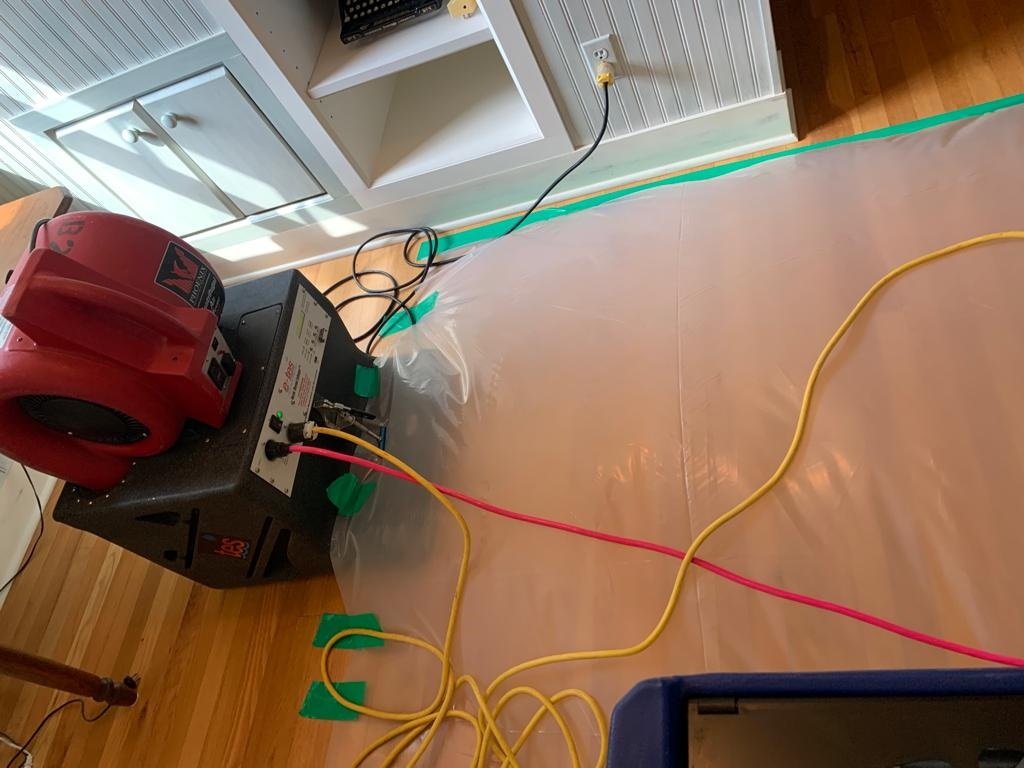
Drying and Dehumidification: After water removal, drying out the wet areas is essential. This involves the use of dehumidifiers and air movers to ensure all moisture is eradicated.
Cleaning and Sanitizing: Water damage can leave behind contaminants. Cleaning and sanitizing the affected areas are vital to prevent health hazards.
Restoration: The final step involves restoring your property to its original condition. This may include restoration services with minor repairs like replacing drywall and painting, or major reconstructions like rebuilding entire rooms.
Why Is Water Damage Restoration Important?
Preventing Structural Damage
(https://kentkleenllc.com/services/water-sewer-backup-restoration/)
Water damage is more than just a surface issue; it poses a serious threat to the structural integrity of a building. When a water emergency occurs, it can weaken the foundational elements, from the wooden beams in your attic to the concrete in your basement. Here’s a deeper look into how water impacts structures and why timely water restoration services are critical:
Weakening of Building Materials: Water can severely weaken dwelling materials like wood and drywall. Prolonged exposure to moisture can cause wood to rot, which compromises its strength and stability. Drywall, when soaked, can become soft and may crumble, affecting the walls of your property.
Foundation Damage: The foundation of a building is crucial for its stability. Water seepage into the foundation can lead to cracks, shifting, and in severe cases, structural failure. This not only endangers the building’s integrity but also the safety of its occupants.
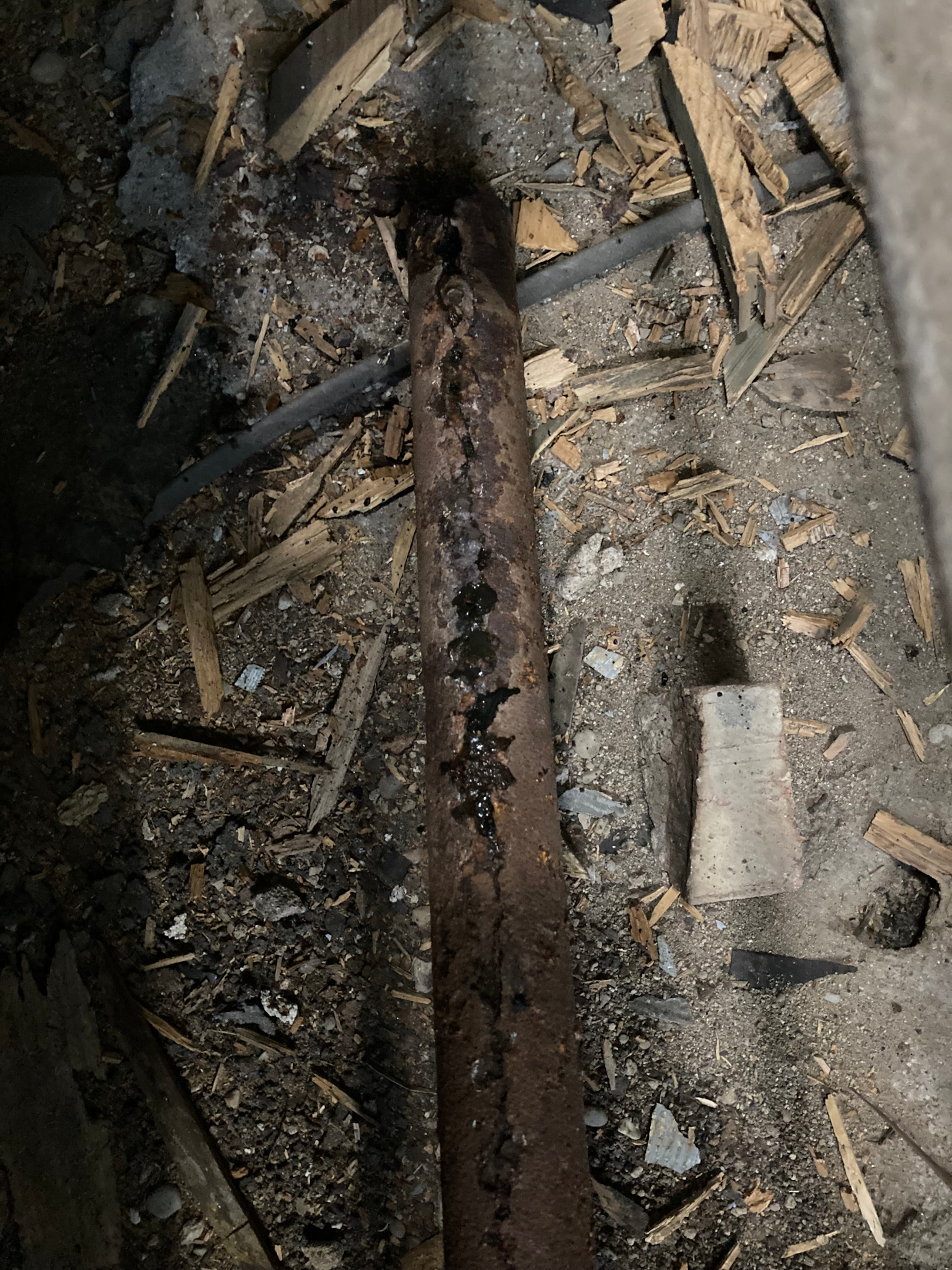
Corrosion and Rust: Metal components within a structure, such as pipes, fasteners, and supports, can corrode when exposed to water. This corrosion can lead to further structural damage and costly repairs down the line.
Swelling and Warping: Materials like wood flooring and cabinetry can swell and warp when exposed to moisture. This not only damages the aesthetic appeal of your property but also indicates deeper structural issues.
Electrical System Damage: Water and electricity are a dangerous mix. Water damage can cause short circuits and damage to the electrical wiring of a building, posing fire risks and necessitating expensive repairs.
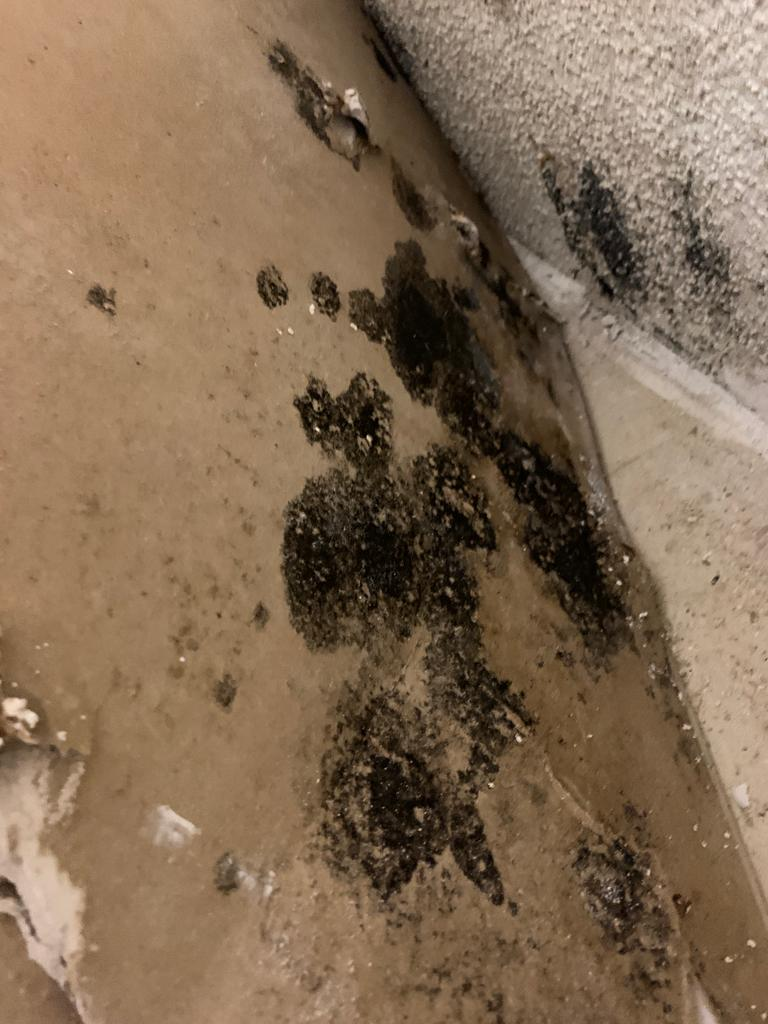
Mold and Mildew Growth: Beyond the immediate structural damage, water creates an ideal environment for mold and mildew growth. These fungi not only further degrade building materials but also pose health risks to the occupants.
Timely water damage restoration is crucial to address these issues effectively. The professional water restoration company will use specialized equipment to remove water quickly, dry out the premises, and repair any damage. This process helps to prevent long-term structural problems and maintain the safety and integrity of your building. By acting quickly, you can avoid more severe damage, ensuring the longevity and stability of your property.
Mold and Mildew Prevention
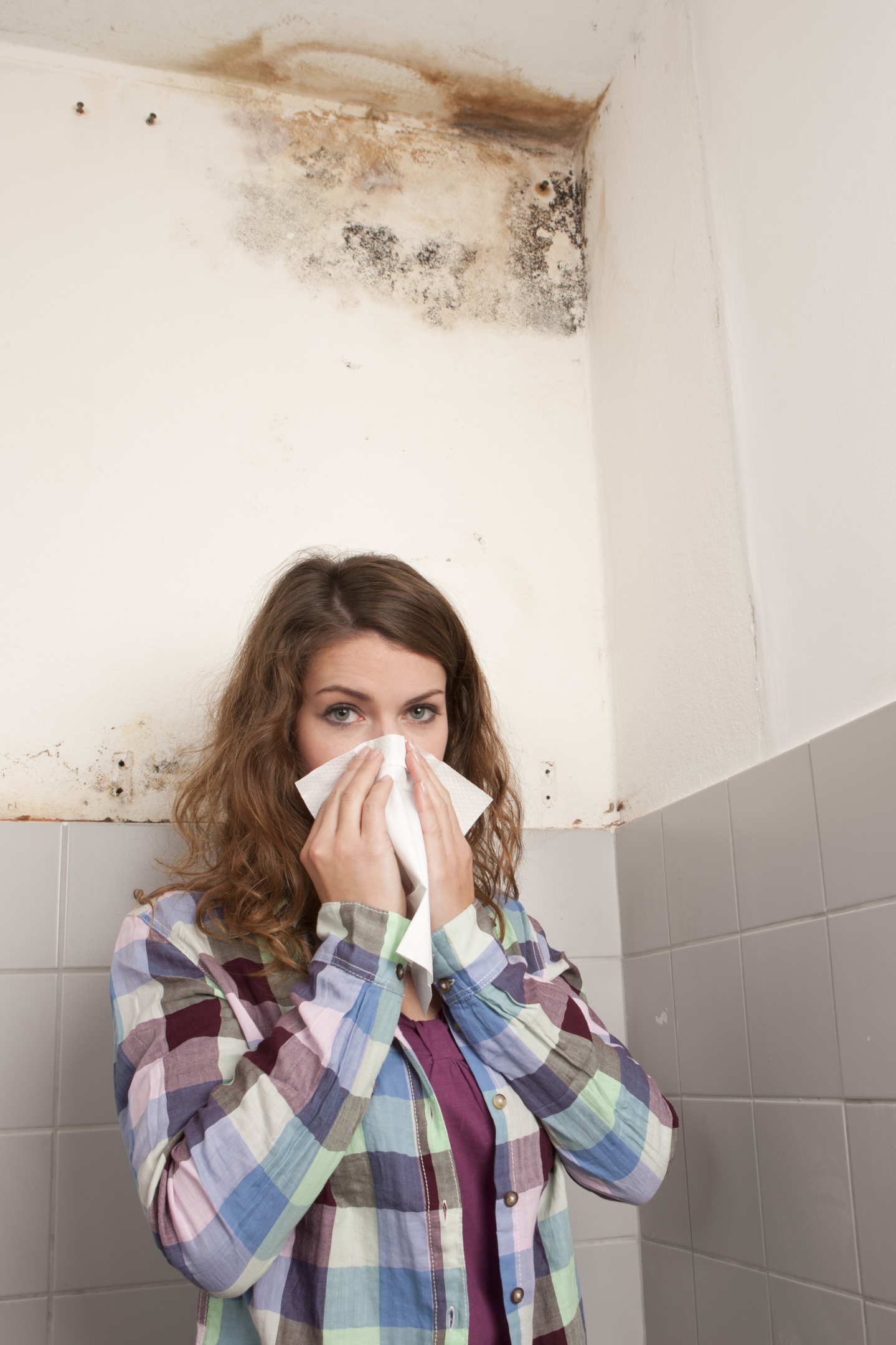
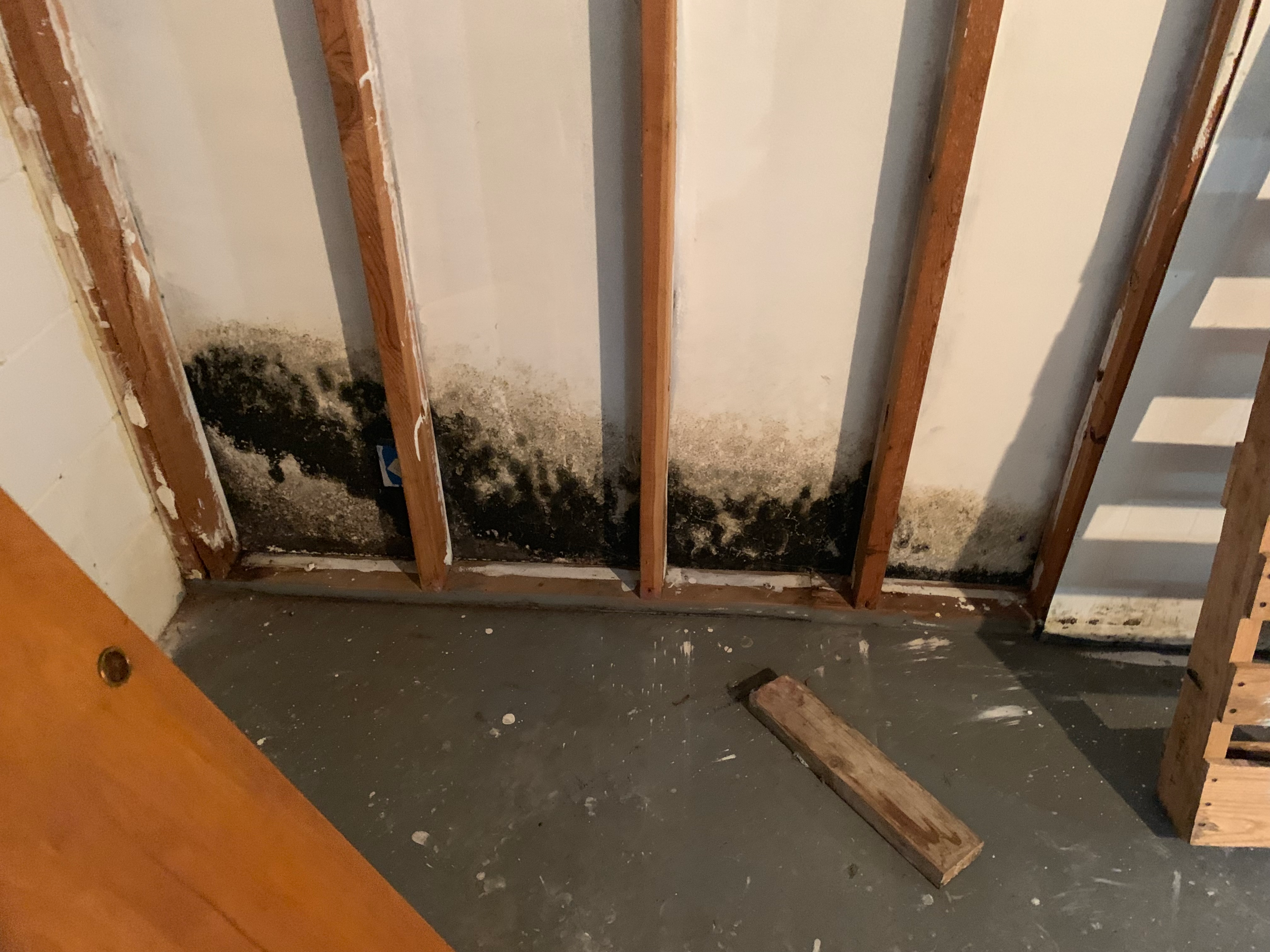
Water damage restoration is critically important for several reasons, with mold and mildew prevention being among the most significant. Damp environments are breeding grounds for mold and mildew, which can cause health issues. Restoration includes thorough drying and sanitizing to prevent their growth. Here’s a detailed explanation of why this aspect of water damage restoration is so crucial:
Health Implications:
Respiratory Issues: Mold and mildew can cause or exacerbate respiratory problems, including asthma and allergies. The spores they release into the air can be harmful when inhaled, especially for people with existing respiratory conditions or weakened immune systems.
Allergic Reactions: Exposure to mold and mildew can lead to allergic reactions, which may include symptoms like sneezing, coughing, skin rashes, and eye irritation.
Rapid Growth in Damp Environments:
Quick Colonization: Mold and mildew can start growing within 24-48 hours in moist conditions. This rapid growth can lead to extensive colonization, making it harder to eradicate once established.
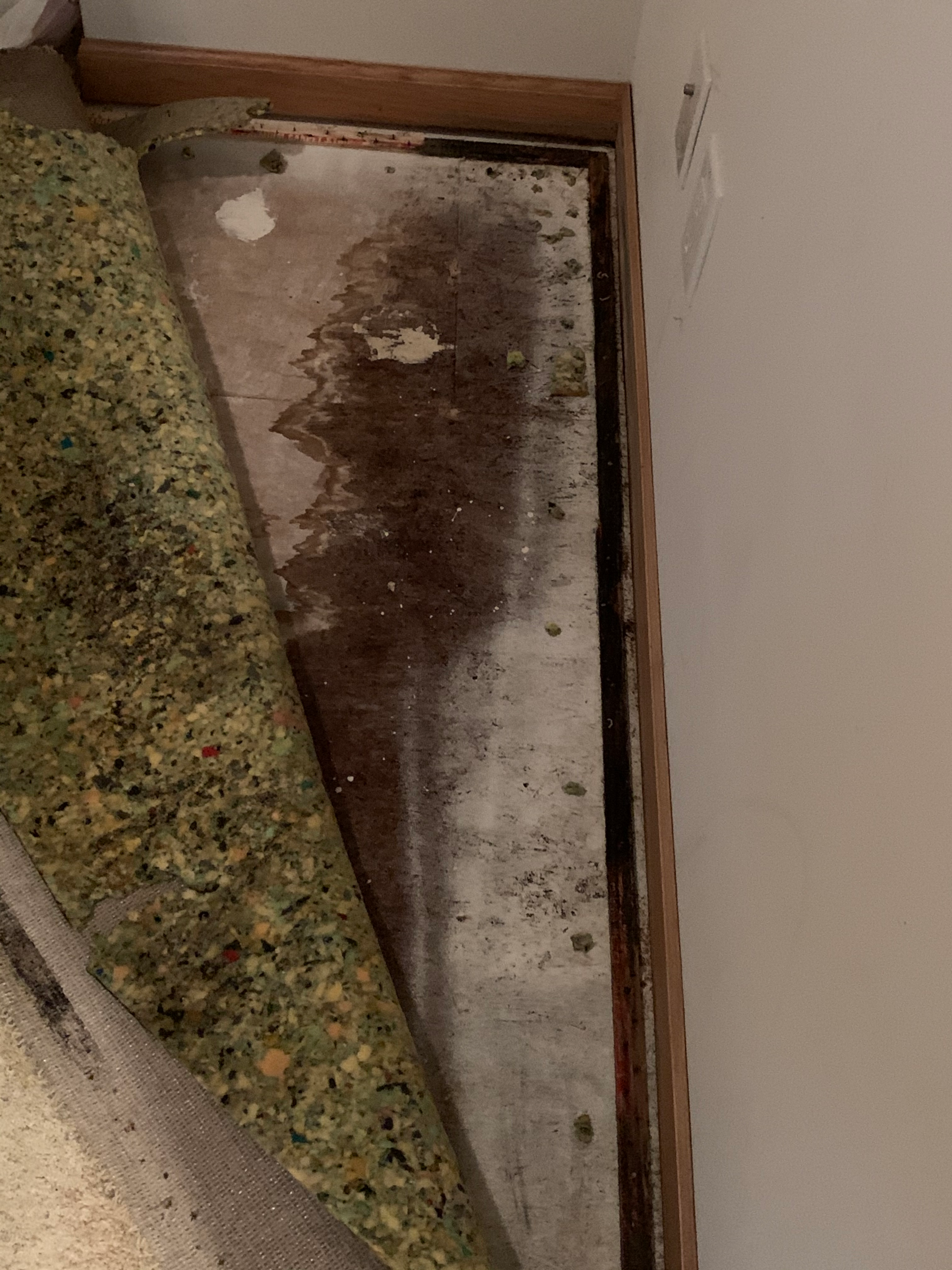
Hidden Growth: These fungi can grow in hidden places, such as behind walls, under carpets, or in HVAC systems, making them difficult to detect until they’ve caused significant damage.
Structural Integrity:
Material Damage: Over time, mold and mildew can degrade various building materials, including wood, drywall, and carpeting, compromising the structural integrity of the property.
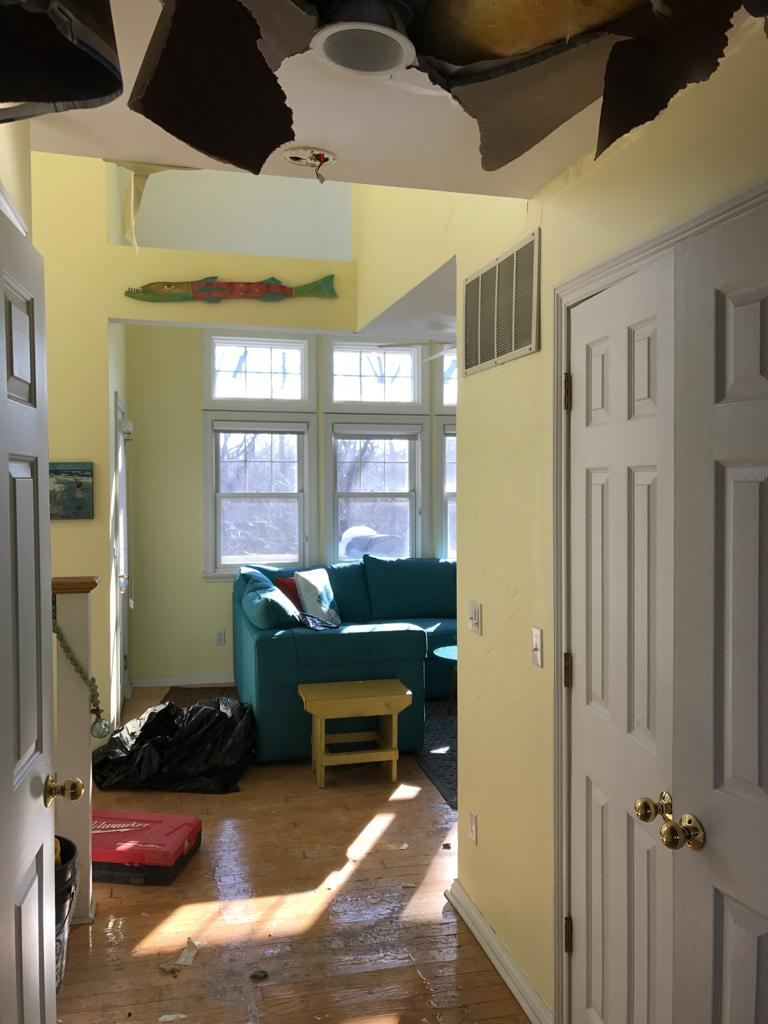
Long-Term Effects: If not addressed promptly, the damage can become severe, leading to costly repairs or replacements.
Prevention Strategies in Restoration:
Thorough Drying: Effective water damage restoration involves completely drying out the affected areas to deprive mold and mildew of the moisture they need to grow.
Professional Equipment: Specialists use industrial-grade dehumidifiers, air movers, and moisture meters to ensure that all areas, even those not visible, are dry.
Sanitization: Applying antimicrobial and antifungal agents as part of the restoration process helps to eliminate any existing spores and prevent future growth.
Indoor Air Quality:
Airborne Spores: Mold and mildew can release spores into the air, reducing indoor air quality and potentially leading to health issues.
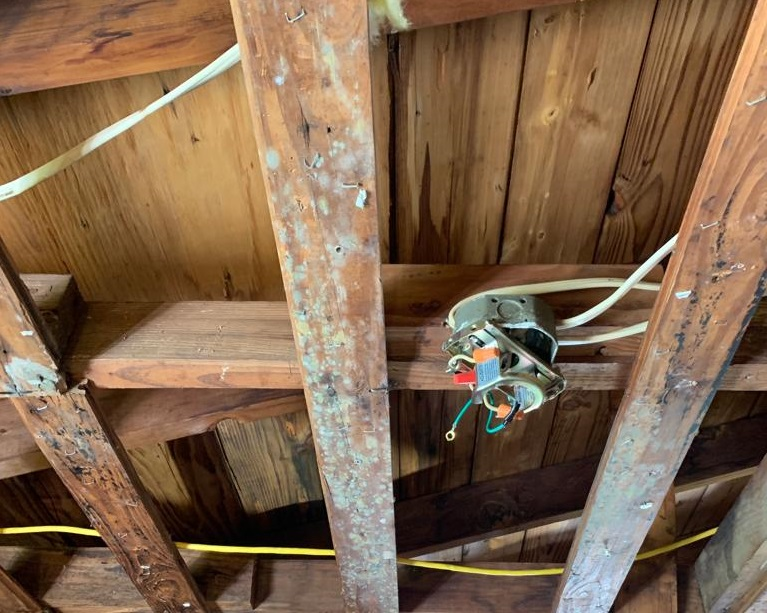
Restoration Benefits: By eliminating mold and mildew, restoration efforts help to maintain or improve the air quality within the property. Mold remediation is far more costly than drying water damage properly.
Ongoing Monitoring:
Post-Restoration Follow-Up: After the initial restoration process, it’s important to monitor the property for any signs of recurring moisture or mold growth.
Preventative Measures: Regular inspections and maintenance can prevent future incidents of water damage and mold growth.
Mold and mildew prevention is a fundamental reason why water damage restoration is essential. By addressing water damage promptly and thoroughly, restoration efforts not only protect the structural integrity of a property but also safeguard the health of its occupants by preventing the growth of harmful fungi. This underscores the importance of seeking professional assistance immediately when water damage occurs.
Cost-Efficiency
Addressing water damage promptly can save you significant money in the long run by preventing more severe, costly damages.

Minimizing Long-Term Damage:
Immediate Action Reduces Extent of Damage: The sooner water damage is addressed, the less extensive the damage will likely be. Prolonged exposure to water can lead to more severe structural issues and increased repair costs.
Prevention of Secondary Damage: Delayed or inadequate restoration can result in secondary damage, like mold growth or further deterioration of materials, leading to more expensive repairs.
Reducing Replacement Costs:
Salvaging Building Materials: Professional restoration efforts can often salvage materials that might otherwise need to be completely replaced, such as flooring, walls, and fixtures.
Restoration vs. Replacement: It’s generally more cost-effective to restore damaged items than to replace them. Restoration experts have techniques and equipment that can effectively restore water-damaged items.
Avoiding Additional Expenses:
Mold Remediation Costs: Mold removal can be a costly process. By promptly addressing water damage, the likelihood of mold growth is significantly reduced, thereby avoiding the high costs associated with mold remediation.
Structural Repairs: Ignoring or delaying water damage restoration can lead to serious structural problems, which are far more expensive to repair than initial water damage.
Efficient Use of Resources:
Professional Expertise: Restoration professionals have the knowledge and tools to conduct restoration efficiently. This expertise ensures that the job is done right the first time, avoiding repeated or ineffective efforts that can increase costs.
Advanced Technology: The use of advanced technology in water extraction, drying, and dehumidification can speed up the restoration process, thereby reducing the time and labor costs involved.
Insurance Considerations:
Insurance Claims: Prompt and professional restoration can facilitate smoother insurance claims processes. Documenting the damage and restoration properly can aid in receiving adequate compensation from insurance.
Policy Compliance: Insurance policies often require that reasonable steps be taken to mitigate further damage. Quick restoration actions align with these requirements, potentially influencing claim outcomes favorably.
Property Value Preservation:
Maintaining Property Value: Effective restoration helps in maintaining or even enhancing the property’s value. Unaddressed water damage can significantly reduce a property’s market value.
Investing in timely and professional water damage restoration not only addresses the immediate issues caused by water damage but also serves as a cost-effective strategy in the long term. It helps in avoiding escalated damages, reducing the need for costly replacements, and maintaining the property’s value, all of which contribute to overall cost savings and financial efficiency.
Health and Safety
Water damage can lead to hazardous conditions, like electrical hazards and the growth of harmful bacteria. Professional restoration ensures a safe living or working environment.
Preventing Mold and Mildew Growth:
Health Risks: Mold and mildew can cause various health issues, including respiratory problems, allergic reactions, and in some cases, more serious conditions like asthma exacerbation.
Importance of Timely Action: Quick restoration efforts help prevent the growth of these fungi, thereby safeguarding the health of the building’s occupants.
Eliminating Harmful Pathogens:
Contaminated Water: Depending on the water source, water damage can introduce harmful pathogens into your environment. Floodwaters and sewage backups, for example, often contain bacteria and viruses.
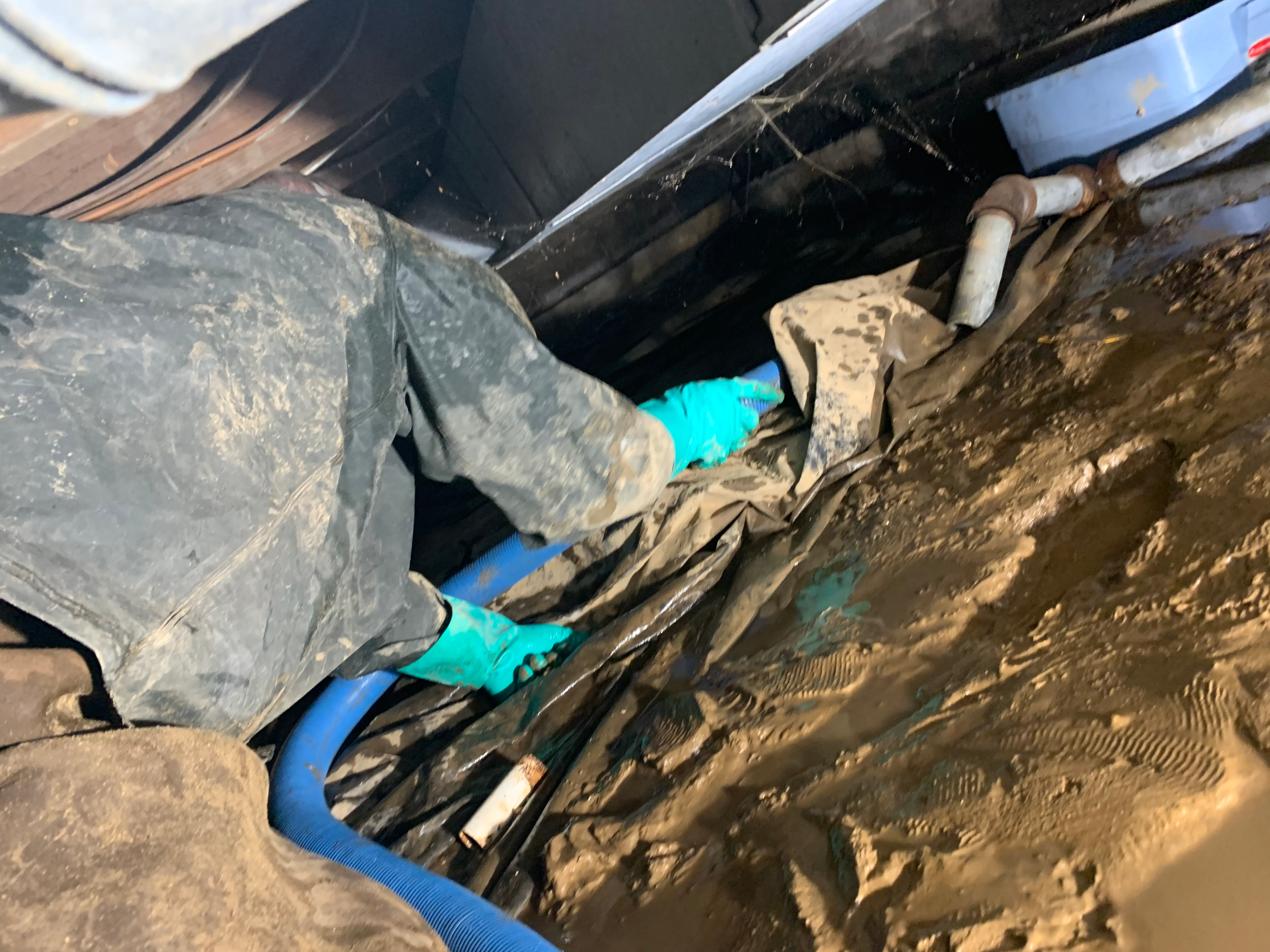
Sanitization: Part of the restoration process involves thorough cleaning and sanitizing of the affected areas, reducing the risk of illnesses caused by these pathogens.
Improving Air Quality:
Airborne Contaminants: Water damage can lead to the proliferation of airborne contaminants, including mold spores and bacteria.
Ventilation and Air Purification: Restoration includes proper ventilation and, in some cases, air purification to ensure the indoor air quality is safe for inhabitants.
Preventing Structural Collapses:
Weakened Structures: Prolonged exposure to water can weaken key structural elements, posing a risk of collapse.
Reinforcement and Repairs: Restoration efforts ensure that the structural integrity of the building is maintained or restored, preventing potential accidents.
Peace of Mind
Dealing with water damage can be stressful. Professional restoration provides peace of mind, knowing that your property is in capable hands and will be restored to its former state.
Water damage restoration is more than just drying and cleaning; it’s a comprehensive process aimed at fully restoring your property while preventing further damage and health risks. If you face water damage, it’s crucial to call professionals who can efficiently handle the situation and help you get back to normal as quickly as possible. Remember, the faster you act, the less damage you’ll face, and the quicker you’ll recover.
