
Water Damage Mold Growth
You’ve just gotten home from a long day of work and you walk in to the sound of running water, a musty smell and falling drywall everywhere. A leaking pipe in your upstairs bathroom broke two minutes after everyone left the house this morning and it’s been running all day! Now what?
Discovering water damage or mold growth in your home can be a stressful and overwhelming experience, especially when it has affected multiple levels of your house. From the flooded upstairs to the water-damaged basement, the situation requires immediate attention and appropriate actions to prevent mold problem.
In such a scenario, knowing the do’s and don’ts of dealing with water damage can help mitigate further damage and facilitate a smoother recovery process. Let’s explore the essential guidelines to follow in this challenging situation.
The Do’s When Finding Water Leaks or Visible Mold
DO REMEMBER SAFETY FIRST
First and foremost, turn off the water at the main valve. If the water damage is extreme you may need to, ensure your safety and that of your family by turning off the main power supply. If water levels are high or there are signs of structural damage, it’s crucial to evacuate and contact Kent Kleen, LLC right away at (269) 208-6013. You may have loose or falling drywall. It is important to keep pets and children away from affected areas. If your water came from a gray or black source, sewage, do not touch anything it could be grossly contaminated.
Exposure to mold resulting from water damage can pose several health risks, especially for individuals who are sensitive or have pre-existing respiratory conditions. Black mold exposure could have a negative impact on your health.

Do Remember to Document
As long as your property is safe, the most important thing is to take photographs or videos of the affected areas for insurance purposes. These visual records will serve as evidence for your claim and aid in the restoration process. Even if you think it’s not important to photograph, take the picture and write notes about everything.
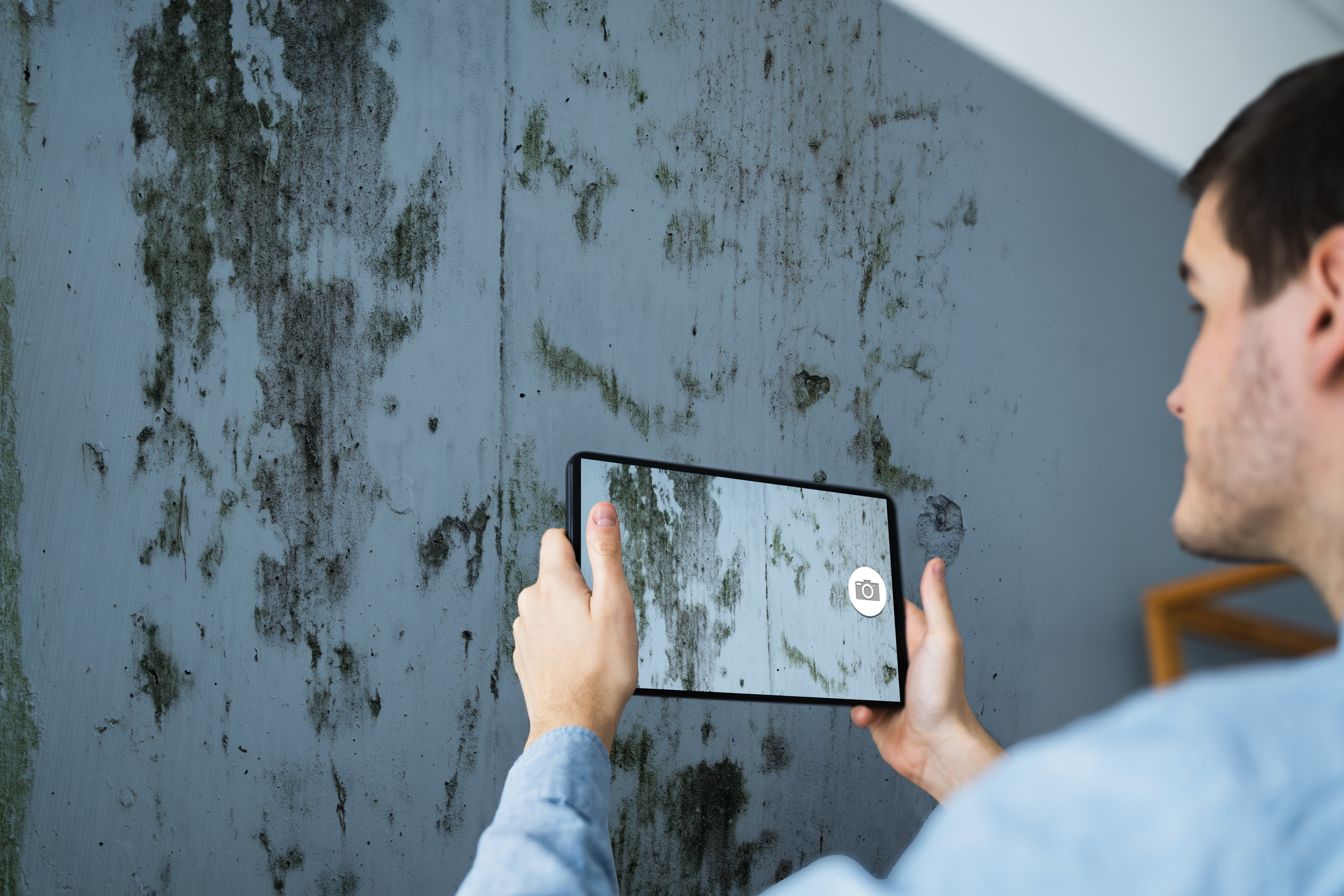
Look for signs of mold growth immediately. If you see what you think is possible growth, document it and take pictures. This will show the insurance company that it is related to the water damage and not a preexisting condition.
DO CONTACT YOUR INSURANCE CARRIER
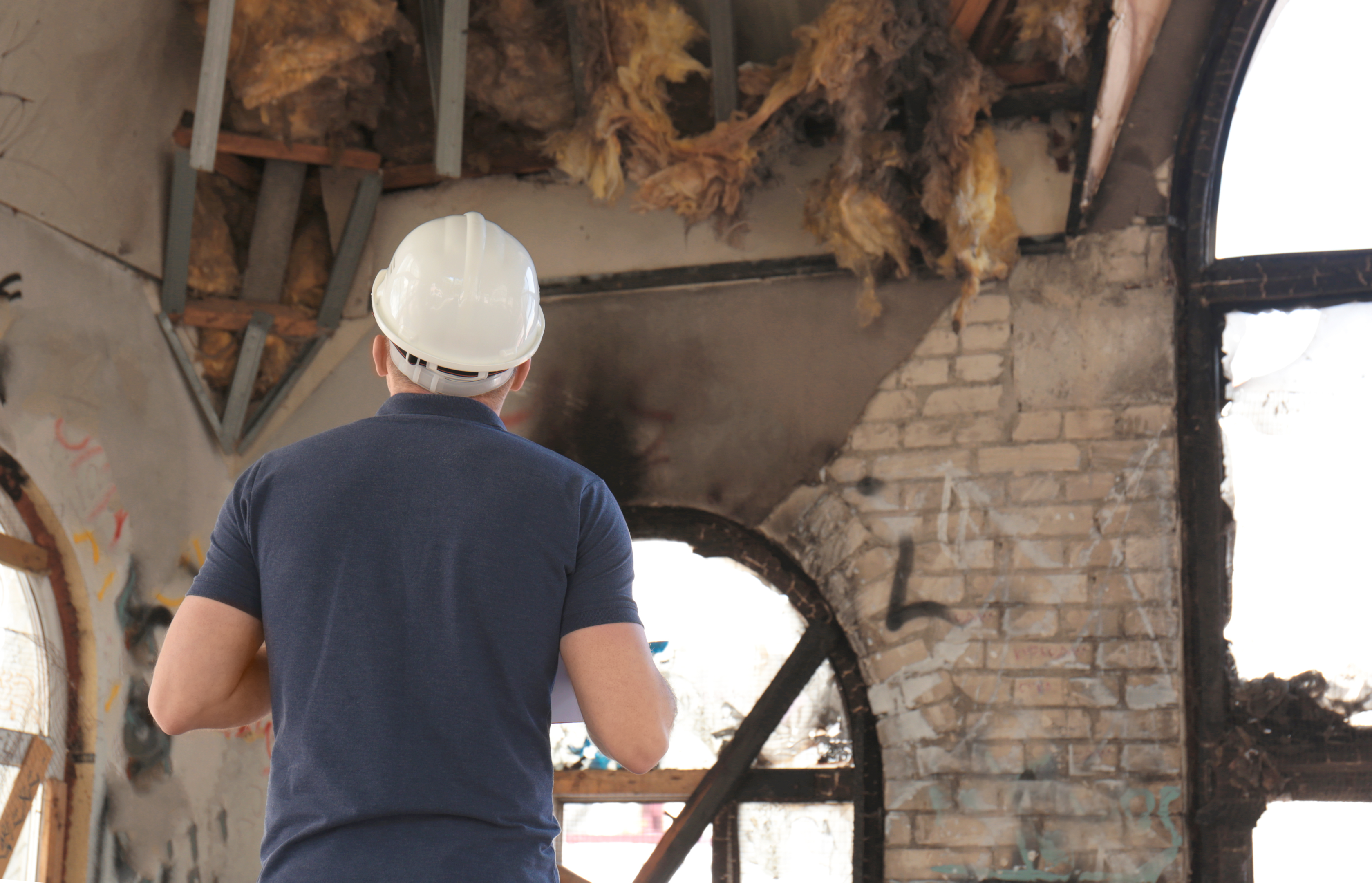
Now that your property is safe, the property owner should call their insurance agent. It is possible that your agent will give you a toll-free number to call the claims department directly. Please keep in mind that this does not mean your agent is out of the picture. If you have any issues during your claim, your agent should be there to help you.
Follow their instructions regarding documentation and the steps to take for filing a claim. Keep records of all communication for reference.
DO START PRE-MITIGATION
Kent Kleen, LLC will do everything we can to arrive within two hours of receiving your call. However, sometimes there are circumstances that prevent that from happening. As long as your property is safe you could begin to remove water and/or debris. (Remember photos first!)
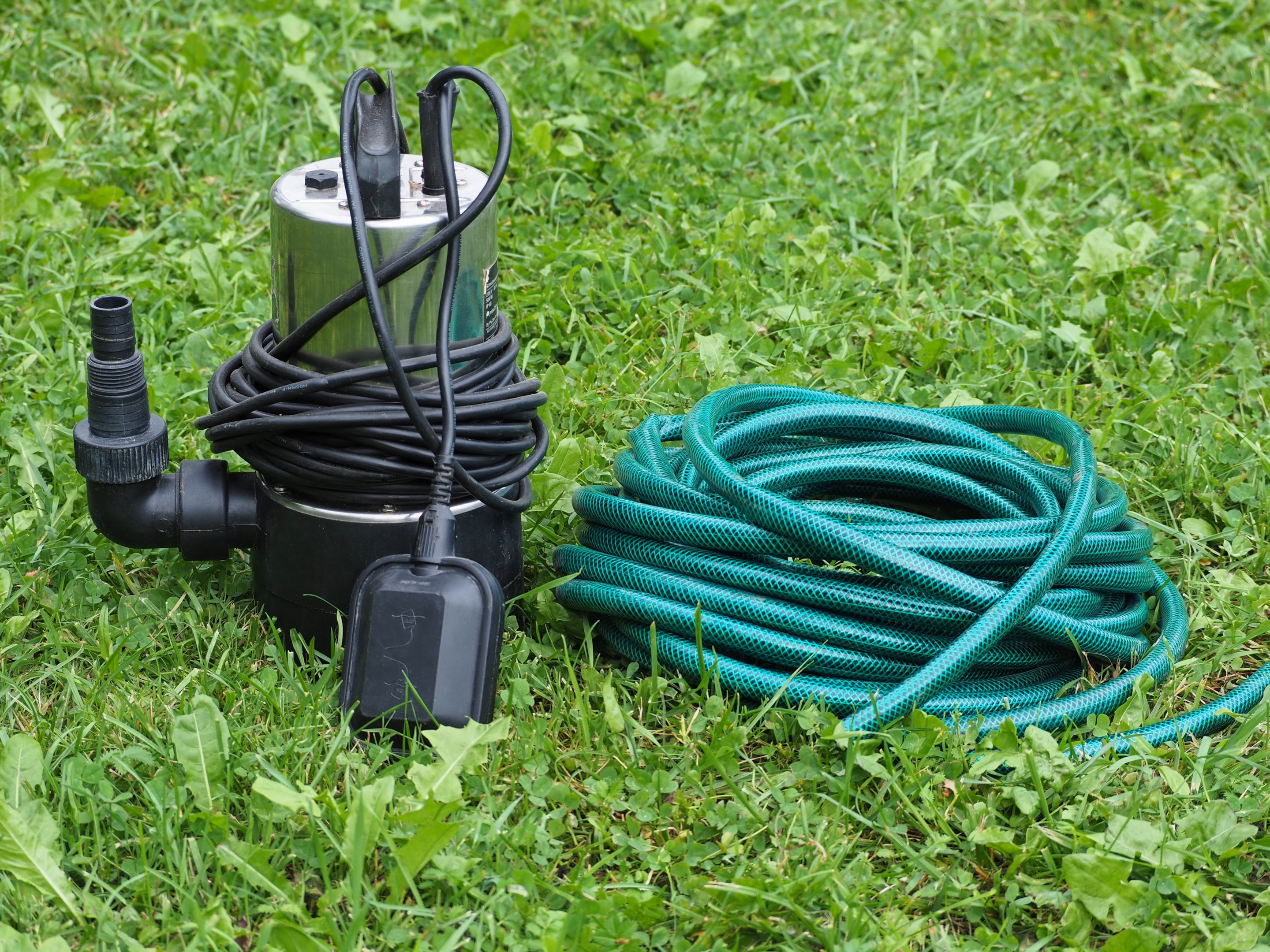
Use pumps, wet vacuums, or buckets to remove standing water from your home. Time is of the essence to minimize damage and prevent mold growth. Mold can begin to grow within 24 to 48 hours. Help is on the way, so don’t try to do everything. Just get important documents, photos, and special items out of the water and ready to dry.
Place wood blocks, plastic wrap or foil between furniture legs and carpet to prevent staining or rusting on carpet. Lift draperies off carpet and hang on drapery rod via looping a coat hanger. Prop up wet furniture cushions for even drying. Remove oriental rugs or other porous materials from wet floors or walls. Remove damp books from shelves and spread out to dry.
DO WHATCH YOUR CLIMATE CONTROL
If it is heating season and it is safe to run your furnace, do so. Keep the temp at about 72-73 degrees with the furnace fan on. The same if it is the warm season, run your air conditioning to help bring the humid areas under control. If it is safe, you can turn on ceiling fans. Air circulation is key to aid in drying out the affected spaces. This step is also essential in preventing water damage mold growth and reducing humidity levels. Once we arrive we will have all the proper equipment needed to remove excess moisture and completely dry your property.
DO KNOW MOLD FROM WATER DAMAGE HEALTH RISKS
Here are some potential health effects associated with mold exposure:
1. Allergic Reactions: Mold spores can trigger allergic reactions in some people.
2. Asthma Exacerbation: Individuals with asthma may experience worsened breathing issues when exposed to mold.
3. Respiratory Issues: Prolonged exposure to mold spores can cause respiratory problems like difficulty breathing or even lung disease,
4. Irritation of Skin, Eyes, and Throat: Direct contact with mold or its spores can lead to skin rashes, eye redness or irritation, and sore throat.
Many homeowners don’t know the importance of noting the severity of health effects that can vary depending on the individual’s sensitivity, like weakened immune systems, the amount and duration of exposure, and the type of mold present. Black mold spores can attach themselves to organic materials like ceiling tiles & grow quickly. Mold grows when it has the right conditions.
If you suspect mold, whether it’s black mold or olive green mold, in your home and experience any unexplained health issues, it is advisable to not try to clean the mold yourself. Additionally, it is essential to address water damage to prevent mold exposure, along with remove mold to minimize health issues. We can act quickly to make sure your home is completely dried.
The Don’ts When Finding Water Damage or Mold Damage
DON’T DELAY! PREVENT MOLD GROWTH!
Prompt action is critical when dealing with water damage in order to prevent mold. Delaying the cleanup and restoration process can worsen the damage and increase the risk of severe mold infestation, leading to further complications and expenses.
Even a small water leak or roof leak can cause mold to grow. Priority #1 should be to remove excess moisture and prevent health problems from happening.

DON’T FORGET SAFETY FIRST!
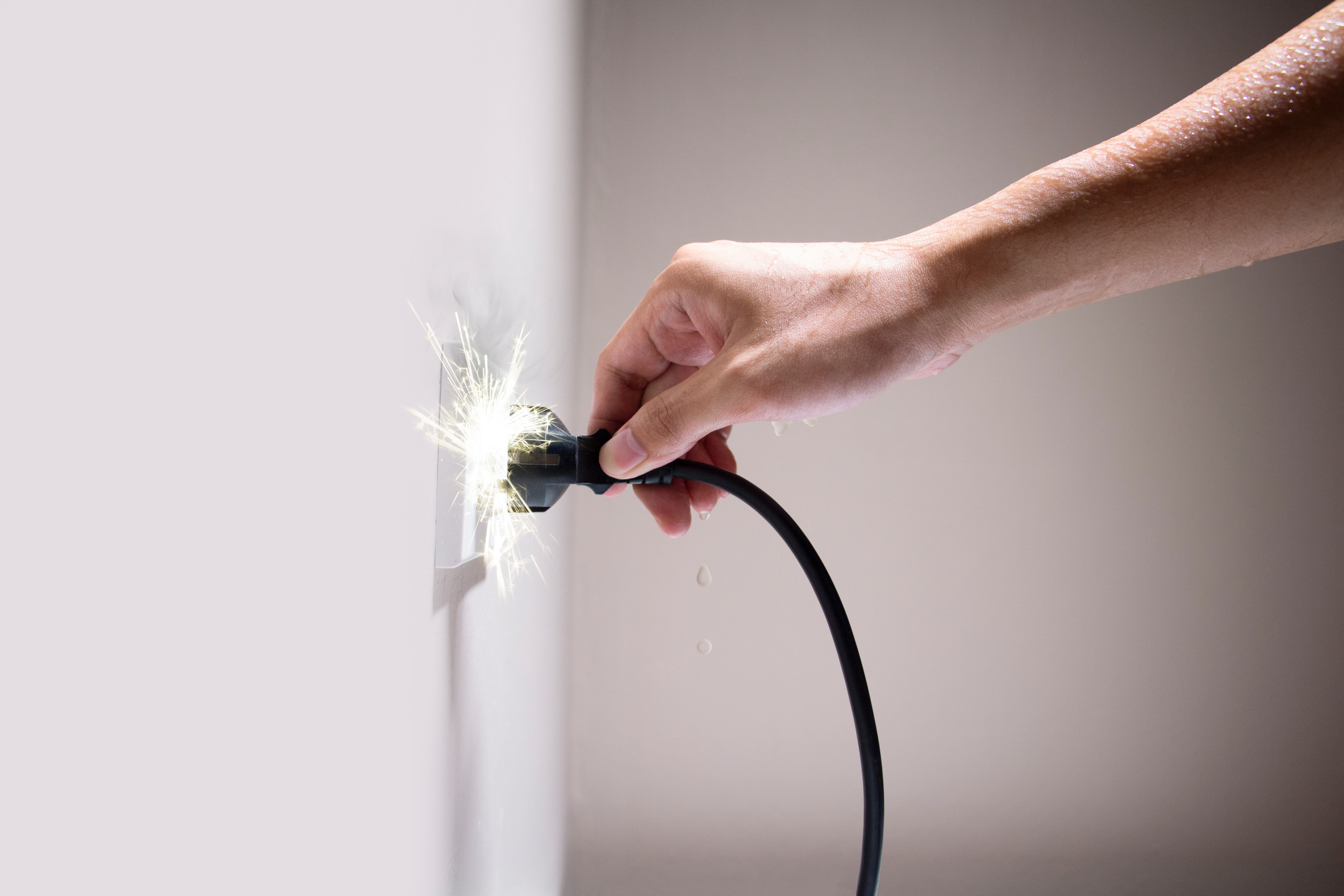
Even if the water or mold damage seems minimal, it’s important not to underestimate potential risks. Avoid entering areas with sagging ceilings or unstable structures, and don’t touch electrical appliances or outlets in affected areas without shutting off the power.
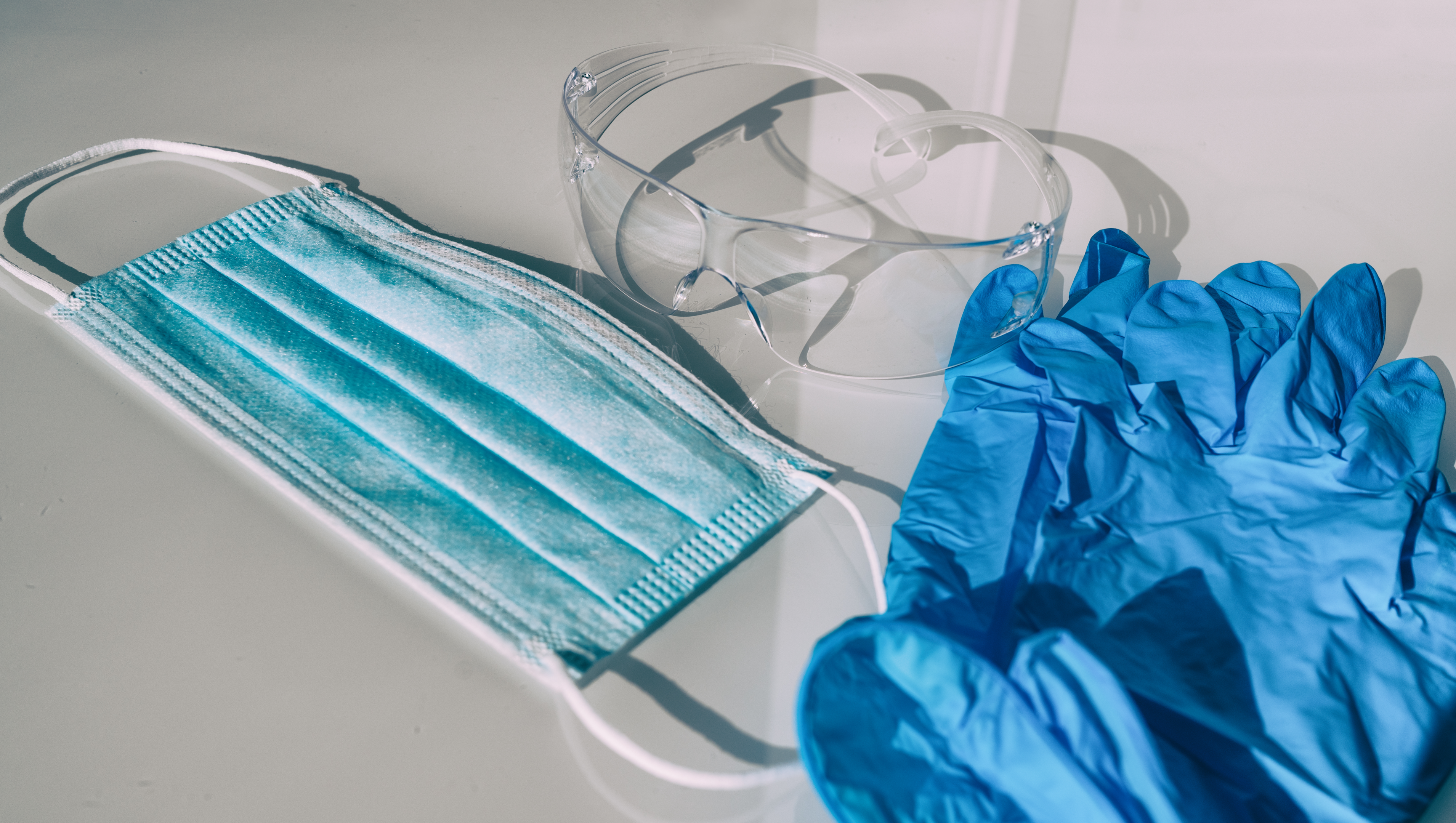
Mold after water damage safety is crucial to prioritize. Protect yourself around mold by wearing personal protective equipment, limiting yourself to exposure, have good ventilation, remove wet debris and properly dispose of it, and get professional assistance by calling a certified restoration company right away.
DON’T FORGET ABOUT ELECTRICAL SAFETY
Don’t use electrical devices in wet areas. Avoid using appliances or equipment in areas affected by water damage or water damage mold. Moisture can cause short circuits and pose a significant safety hazard.
Electrical safety is of utmost importance when dealing with water damage and indoor mold. Water can conduct electricity, increasing the risk of electrical shock and fire hazards.
Remember, electrical safety should always be a priority when dealing with water damage, mold, and excess humidity. If you have any doubts or concerns, it is recommended to consult a qualified electrician to ensure the safety of your home and yourself.
DON’T FORGET ABOUT HIDDEN DAMAGE & MOLD
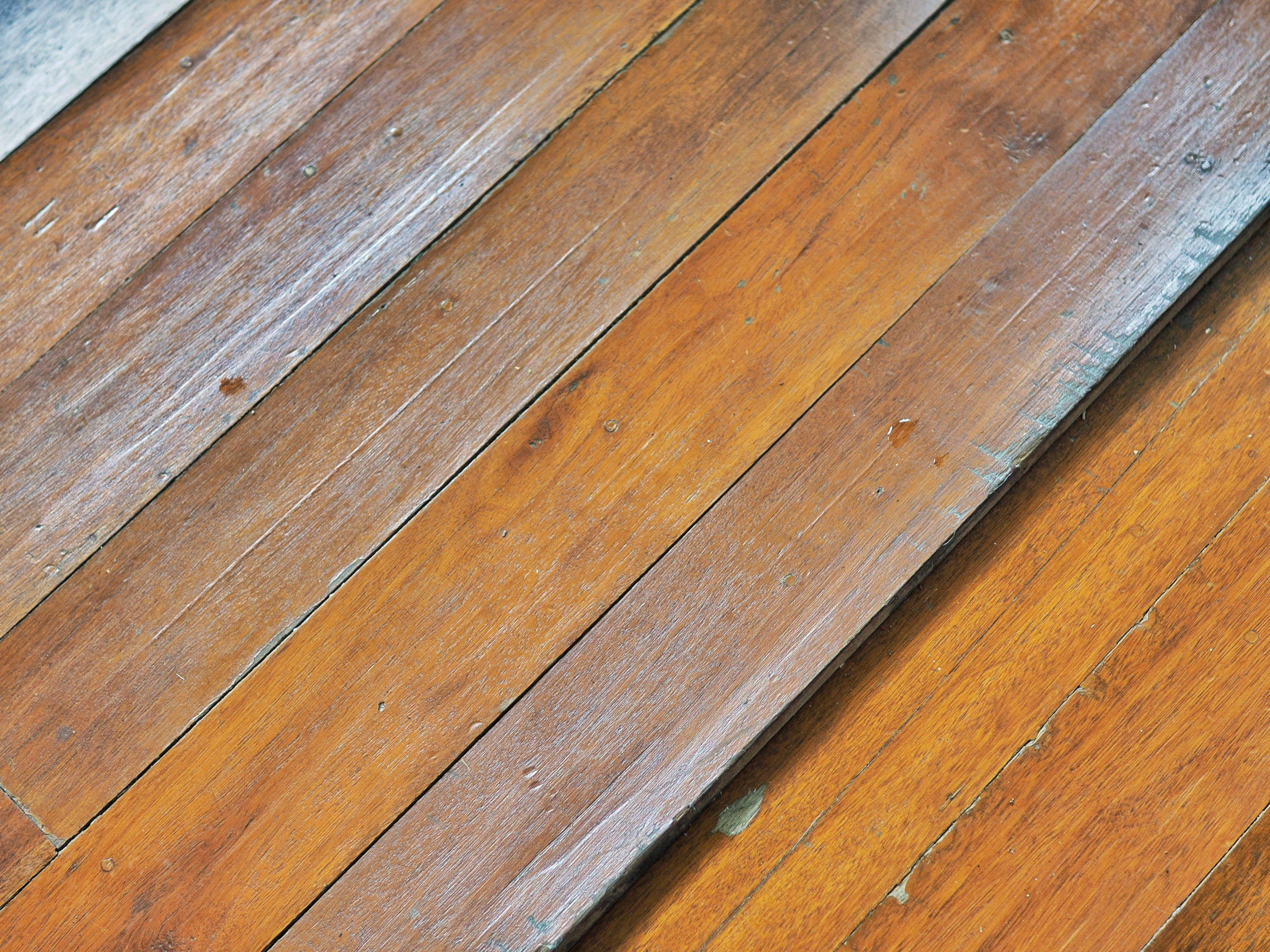
Don’t overlook hidden damage! Just because you don’t see water stains, doesn’t mean there isn’t excess water there. Your naked eye is not a good source for detecting a wet surface. Water can seep into walls, floors, and other hidden areas. Even if the visible damage seems limited, be aware of the potential for hidden water & mold.
The professionals at Kent Kleen, LLC will use special tools to detect moisture in all walls, ceilings, floors and other surfaces. They will map out wet areas vs. dry areas. We will then do what is needed to begin the drying process. This may include removing some walls, ceilings, flooring or other structure
to make sure there is no trapped water or mold. Replacing drywall is easier than dealing with mold issues. In order to prevent mold, specialty equipment will be set up to begin drying affected surfaces.
DON’T FORGET TO LET THE PROFESSIONALS HANDLE IT
Don’t attempt extensive repairs yourself. While minor cleanup efforts may be manageable, extensive restoration work should be left to professionals. Many property owners feel like a water leak is an easy fix. However, the naked eye will not find the exact path the water took and hidden mold growth.
Water restoration & mold remediation companies, like Kent Kleen, LLC, have the expertise, equipment, and knowledge to handle the situation effectively.
Water Damage Mold Growth You’ve just gotten home from a long day of work and you walk in to the sound of running water, a musty smell and falling drywall everywhere. A leaking pipe in your upstairs bathroom broke two minutes after everyone left the house this morning and it’s been running all day! Now…

Thank you for sharing this insightful article! I found the information really useful and thought-provoking. Your writing style is engaging, and it made the topic much easier to understand. Looking forward to reading more of your posts!