
Air duct cleaning is an often overlooked but essential part of maintaining a healthy and efficient home or office environment. The air ducts in a building serve as its respiratory system, drawing in air and then distributing conditioned air throughout the building. Over time, these ducts can accumulate dust, pollen, mold, and other contaminants that can negatively impact the quality of the indoor air and the efficiency of the HVAC system. Cleaning these ducts offers numerous benefits, including improved air quality, increased heating and cooling system efficiency, reduced potential for mold growth, and extended HVAC system life.
Improved Indoor Air Quality
One of the most significant benefits of air duct cleaning is improved indoor air quality. Indoor air quality (IAQ) refers to the air quality within and around buildings and structures, especially as it relates to the health and comfort of building occupants.
Air pollution isn’t just an outdoor concern. In fact, the Environmental Protection Agency (EPA) reports that the air within homes and other buildings can be more seriously polluted than the outdoor air in even the largest and most industrialized cities. This is particularly concerning because most people spend about 90% of their time indoors.
Indoor air pollution has dust, pet dander, pollen, and other allergens circulating throughout the building. These contaminants can trigger allergies, asthma, and other respiratory issues, particularly in individuals who are sensitive or allergic to them. Poor indoor air quality can lead to a variety of health effects, ranging from immediate effects like irritation of the eyes, nose, and throat, headaches, dizziness, and fatigue, to long-term effects like respiratory diseases, heart disease, and cancer.
The severity of these health effects can depend on individual sensitivity, the type and concentration of pollutant, and the duration of exposure. By cleaning the dirty air ducts, these contaminants are removed, leading to cleaner, healthier air. Understanding and controlling common pollutants indoors can help reduce your risk of indoor health concerns.
The Environmental Protection Agency, EPA, recommends duct cleaning by a qualified air duct cleaning company, as well as proper cleaning of your HVAC system. Having a good preventive maintenance program is essential.

Increased HVAC Efficiency
HVAC efficiency refers to how effectively your heating, ventilation, and air conditioning (HVAC) system operates. A more efficient system uses less energy to heat or cool your home, which not only reduces your carbon footprint but also saves you money on your energy bills. There are several factors that can affect HVAC efficiency, including the age and condition of the system, how well it’s been maintained, and the cleanliness of the air ducts.
Air ducts are like the circulatory system of your home. They move air from your HVAC system into the rooms of your home and then back again. Pulling in through your return air vents and pushing out through your supply air vents. Over time, these dirty ducts restrict airflow and cause your HVAC system to work harder.
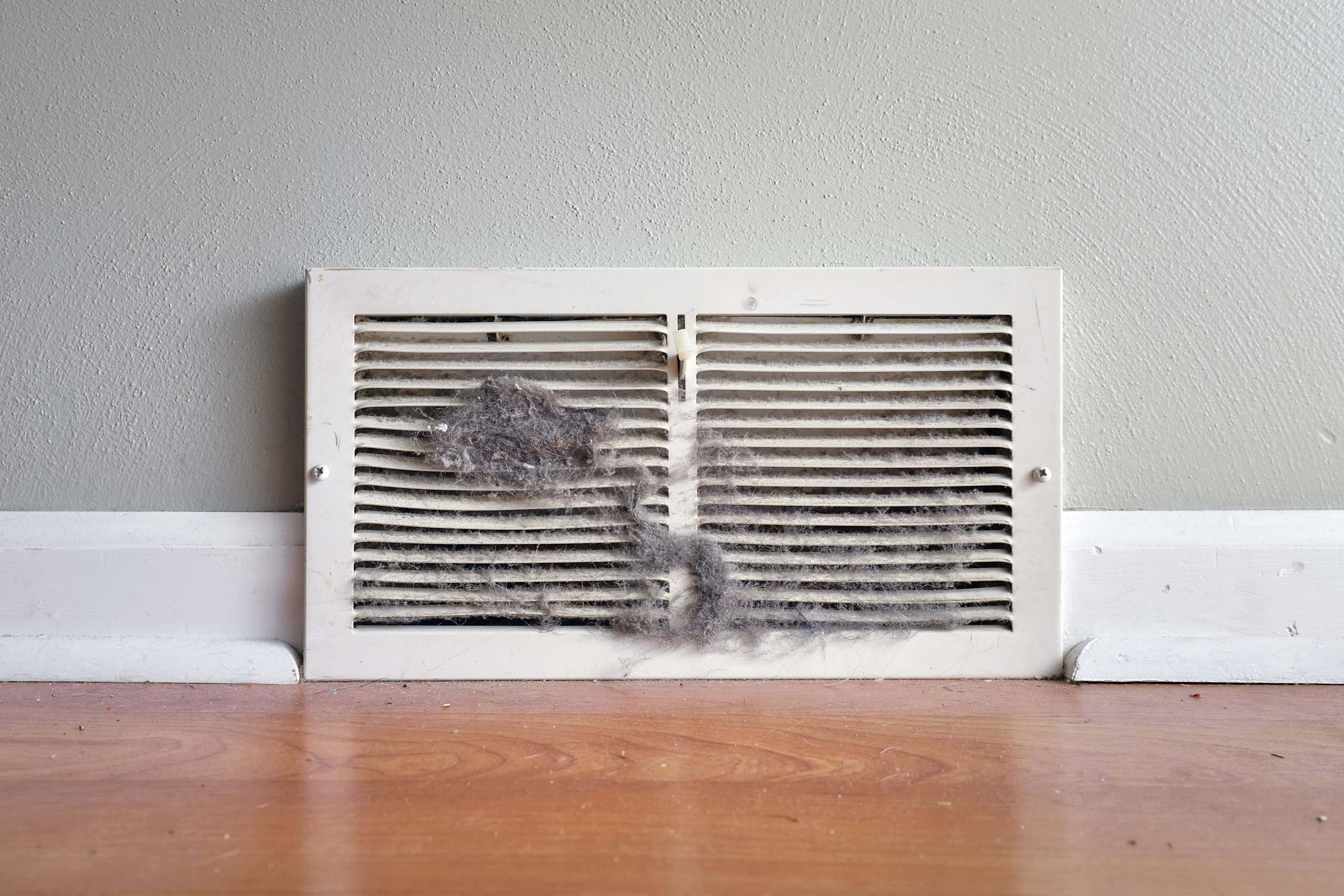
When your HVAC system has to work harder to push air through dirty, clogged ducts, it uses more energy, which can lead to higher utility bills. Additionally, the extra strain can cause wear and tear on the system, potentially leading to more frequent breakdowns and a shorter lifespan for your HVAC system.
When you clean your air ducts, air can flow more freely and efficiently through the HVAC system. Dust and debris can restrict airflow, causing the system to work harder to heat or cool the building, which can lead to increased energy consumption and higher utility bills. By having professional air duct cleaning, it will remove these obstructions, the HVAC system can operate more efficiently, saving energy and money.
By having your air ducts cleaned regularly, you can help ensure that air can flow freely through your system. This can improve the energy efficiency of your HVAC system in several ways. Regular maintenance, including air duct cleaning, can help extend the life of your HVAC system. When your system doesn’t have to work as hard, it’s less likely to break down and may last longer, saving you the cost and hassle of a premature replacement.
Reduced Potential for Mold Growth
Air ducts can be a breeding ground for mold and mildew, particularly if there is any moisture present. Mold spores can then be distributed throughout the building, leading to potential health issues for occupants. Regular air duct cleaning can help to prevent the growth of mold by removing the dust and debris that mold spores feed on and by eliminating any existing mold from the ducts.
Mold is a type of fungus that thrives in damp and humid environments. It reproduces by releasing spores into the air, which can then spread throughout a building. Mold can be harmful to both the structure of a building and the health of its occupants. It can cause structural damage by breaking down organic materials, such as wood and drywall, and it can cause health issues, such as allergies, asthma attacks, and other respiratory problems, especially in individuals who are sensitive or allergic to mold.
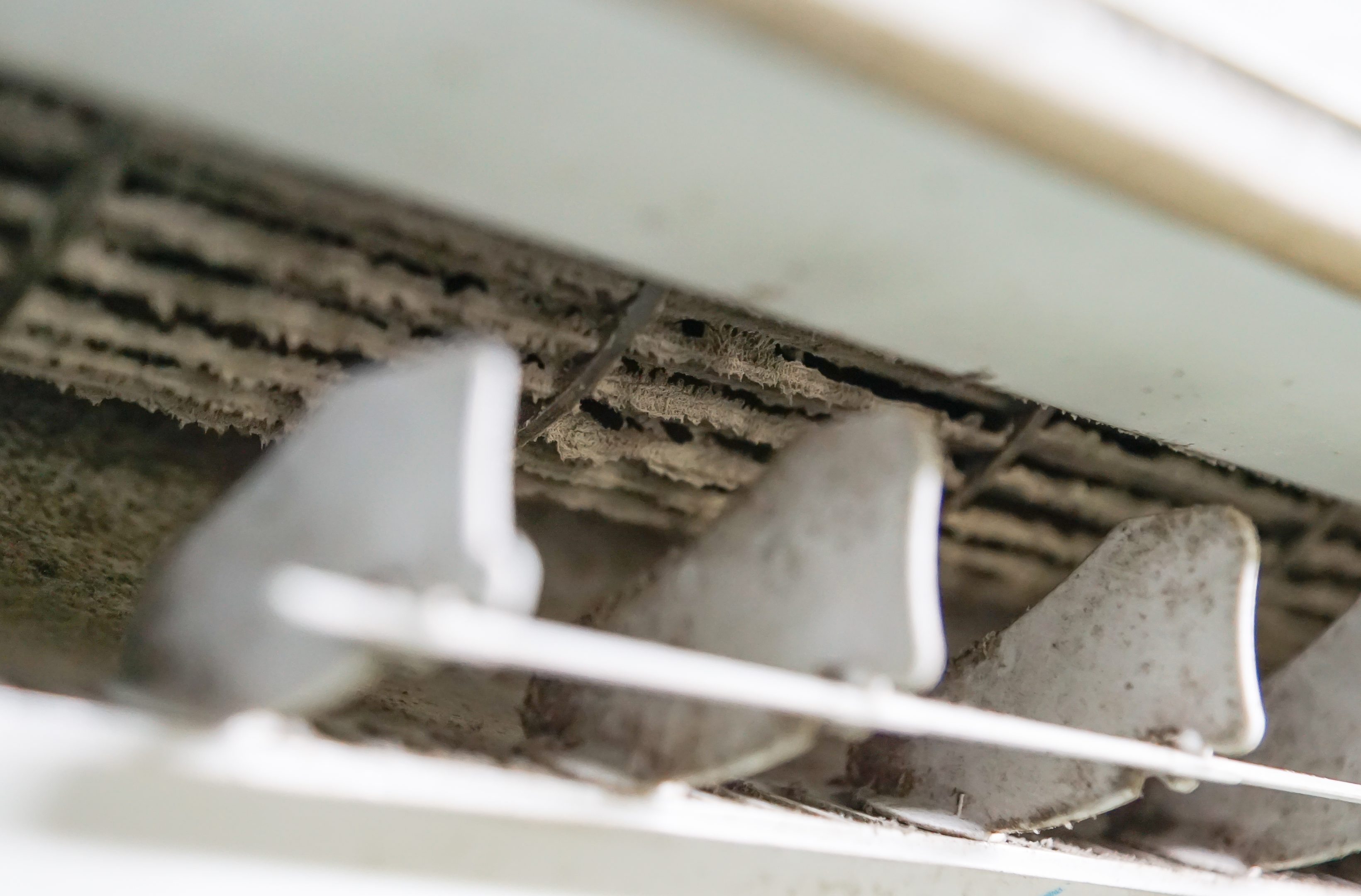
Duct surfaces can provide an ideal environment for mold growth, especially if there is any moisture present. This can occur due to condensation, leaks, or high humidity levels. Condensate drain pans can hold excess moisture causing mold/mildew to grow. When mold grows in air ducts, it can release spores into the air, which are then circulated throughout the building by the HVAC system.
Regular air duct cleaning can help to prevent the growth of mold in several ways:
Removing Dust and Debris:
Mold needs organic material, such as dust, to feed on. By removing dust and debris from your air ducts, you can deprive any existing mold of its food source and prevent new mold from growing.
Reducing Moisture:
Air duct cleaning can help to identify and address sources of moisture in your ducts, such as leaks or condensation. By reducing moisture, you can create an environment that is less conducive to mold growth.
Improving Airflow:
Proper airflow can help to keep moisture levels in check, preventing the damp conditions that mold thrives in. Clean air ducts allow for better airflow, helping to control humidity levels and reduce the potential for mold growth.
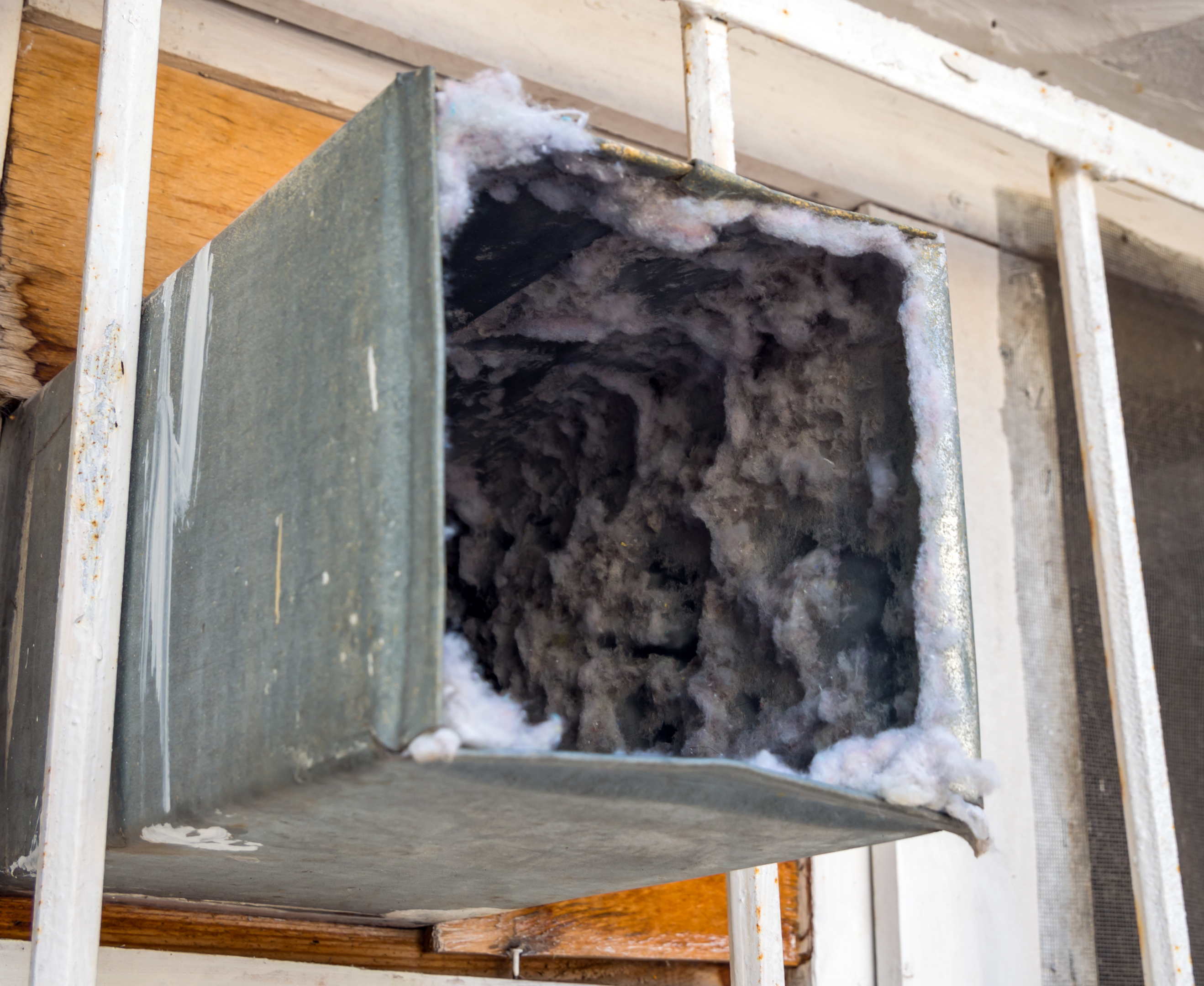
Identifying and Addressing Mold Issues Early:
Professional air duct cleaners are trained to spot the signs of mold growth. By having your air ducts cleaned regularly, you can catch and address mold issues early, before they become serious.
Reduced Dusting Needs
Dust in the air eventually settles on furniture, electronics, and other surfaces. If your air ducts are full of dust, you’ll find yourself needing to dust more often. Clean air ducts mean less dust in your home and less time spent dusting.
The primary reason air duct cleaning reduces dusting needs is by removing dust accumulation within the duct system. Over time, dust and debris build up within the ductwork of a homes heating ventilation and air conditioning system. When the HVAC system is running, it circulates the air throughout the house, and some of the dust is carried along with it. Leading to accumulation on surfaces, furniture, and other household items. By cleaning the air ducts, you eliminate this source of dust.

Elimination of Odors
Over time, dust, mold, and bacteria in your air ducts can lead to a musty or unpleasant smell in your home. Cleaning your air ducts can help eliminate these odors, making your home smell fresher.
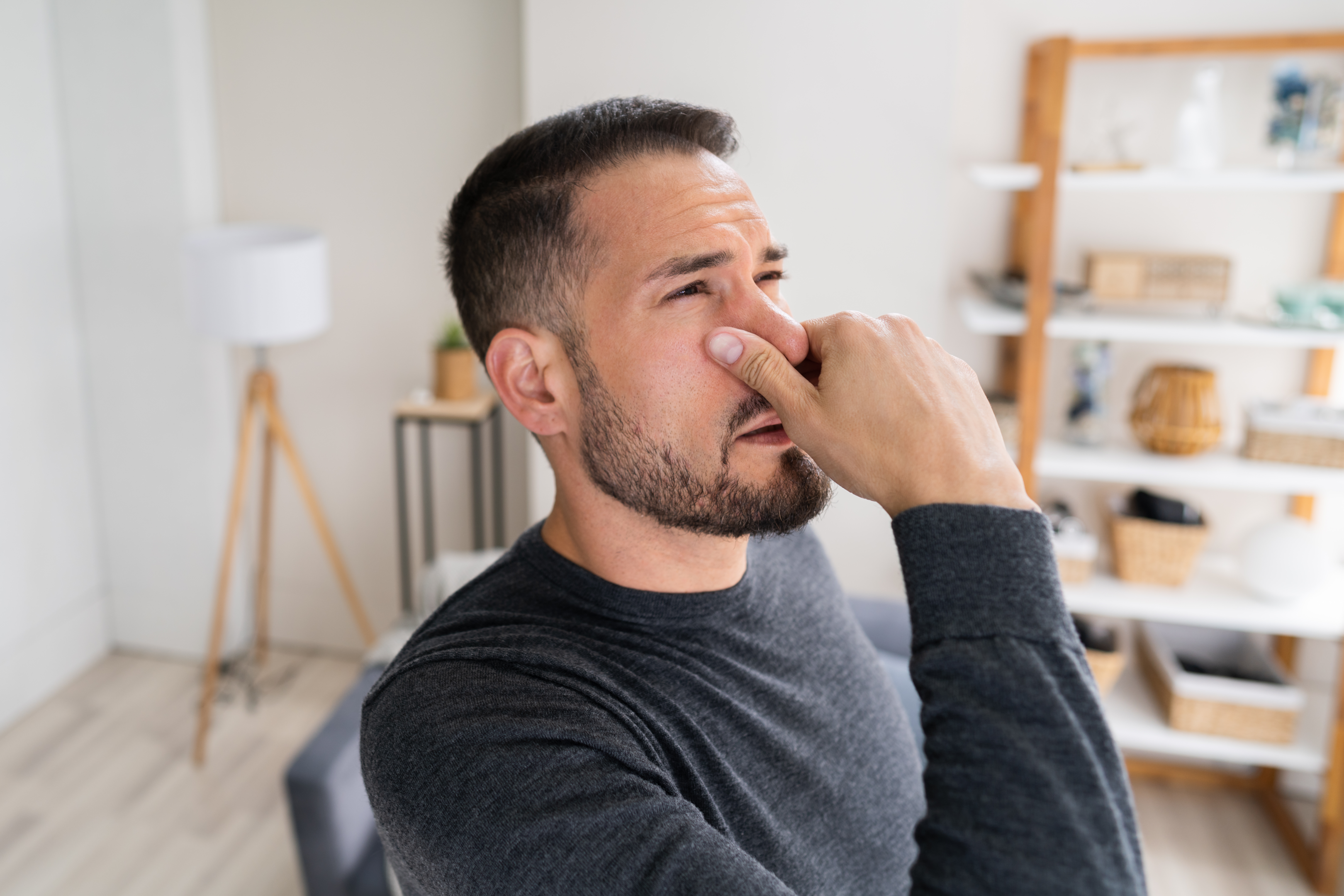
Air duct cleaning can indeed play a significant role in eliminating unpleasant odors from your home. Here’s how:
Removal of Accumulated Dirt and Debris:
Dust, dirt, and other debris can accumulate over time in your air ducts. These materials can harbor odors, especially if they’ve absorbed smells from cooking, smoking, or pet activity. By cleaning your air ducts, you remove these sources of odors, leading to fresher indoor air.
Prevention of Mold and Mildew Growth:
Air ducts can sometimes harbor moisture, particularly if there are leaks or condensation issues. This moisture can lead to the growth of mold and mildew, both of which can produce a musty, unpleasant odor. A professional air duct cleaning service can clean and dry the ducts, helping to prevent mold and mildew growth and eliminate associated smells.
Elimination of Pest Odors:
Pests such as rodents or insects may find their way into air ducts, leaving behind droppings or even dying inside. This can result in very unpleasant odors that circulate throughout the home when the HVAC system is running. Professional air duct cleaning can remove these pest-related materials and associated odors.
Improved Airflow and Efficiency:
A buildup of dust and debris can impede airflow in your HVAC system, causing it to work harder and potentially resulting in overheating components. This overheating can produce a distinct burning or mechanical odor. Cleaning your air ducts can improve airflow and efficiency, reducing the chances of overheating and associated odors.
Removal of Tobacco Smoke Residue:
If tobacco products have been used in the house, the smoke can leave a residue in the air ducts that continues to produce a smoke odor long after the tobacco use has stopped. Cleaning the air ducts can remove this residue, helping to eliminate the tobacco smell.
It’s important to note that while air duct cleaning can help reduce and remove many odors, it may not completely eliminate all smells, especially if they’re originating from other sources in the home. If persistent or strong odors remain after air duct cleaning, it may be necessary to investigate other potential sources, such as carpets, furniture, or the walls and ceilings themselves.
Improved Overall Comfort
Clean air ducts can help improve the overall comfort of your home. With less dust, fewer allergens, and better temperature control, you’ll likely find your home is more comfortable overall.

The comfort level of a home is significantly impacted by the air quality, which is directly influenced by the state of your HVAC (Heating, Ventilation, and Air Conditioning) system, including the cleanliness of air ducts. Air duct cleaning can enhance your overall home comfort in the following ways:
Elimination of Odors:
As discussed earlier, air duct cleaning can eliminate unpleasant odors caused by factors like mold, mildew, pests, or tobacco use. Living in a home free of bad smells significantly contributes to overall comfort.
Consistent Airflow:
Over time, dust and debris can accumulate in your air ducts and impede the HVAC system’s airflow. This can lead to inconsistent temperatures throughout your home, with some rooms being warmer or cooler than others. By cleaning your air ducts, you can ensure consistent airflow and a more uniform temperature throughout your home, enhancing comfort.
Efficient HVAC Operation:
A clean HVAC system runs more efficiently. This means that it responds better to thermostat adjustments, heats or cools your home quicker, and maintains your desired temperature with less energy, providing a more comfortable and stable indoor environment.
Reduced Noise:
A blocked HVAC system has to work harder, which may cause more operational noise. By keeping your air ducts clean, your HVAC system can operate more quietly, contributing to a peaceful, comfortable home atmosphere.
Lower Humidity Levels:
HVAC systems help to manage the humidity level in your home. When air ducts are clean, your HVAC system can more effectively remove excess moisture from the air, leading to less humidity and increased comfort indoors.
Less Dusting Required:
As discussed earlier, clean air ducts mean fewer dust particles circulating in your home and settling on surfaces. This reduces the amount of dusting you need to do, contributing to a cleaner, more comfortable home.
In essence, the benefits of air duct cleaning are manifold, contributing not only to a healthier environment but also to a more comfortable and enjoyable living space. It’s important to engage a professional service for air duct cleaning to ensure a thorough job and avoid potential damage to the HVAC system.
Furnace Filter Maintenance Schedule
The frequency at which you should change your furnace filter depends on a variety of factors such as the type of filter, the air quality in your home, whether or not there are pets, and if there are any residents with allergies or asthma.
Generally, it’s recommended to change basic 1-2 inch furnace filters every 3 months, but if the home environment is dusty, or if you have pets, it may need to be done more frequently – say, every 2 months. High-efficiency particulate air (HEPA) filters, or 4-5 inch furnace filters, can last 6-12 months before needing a replacement, but again, pets and allergies can reduce this timeframe.
THE MERV VALUE OF FURNACE FILTERS
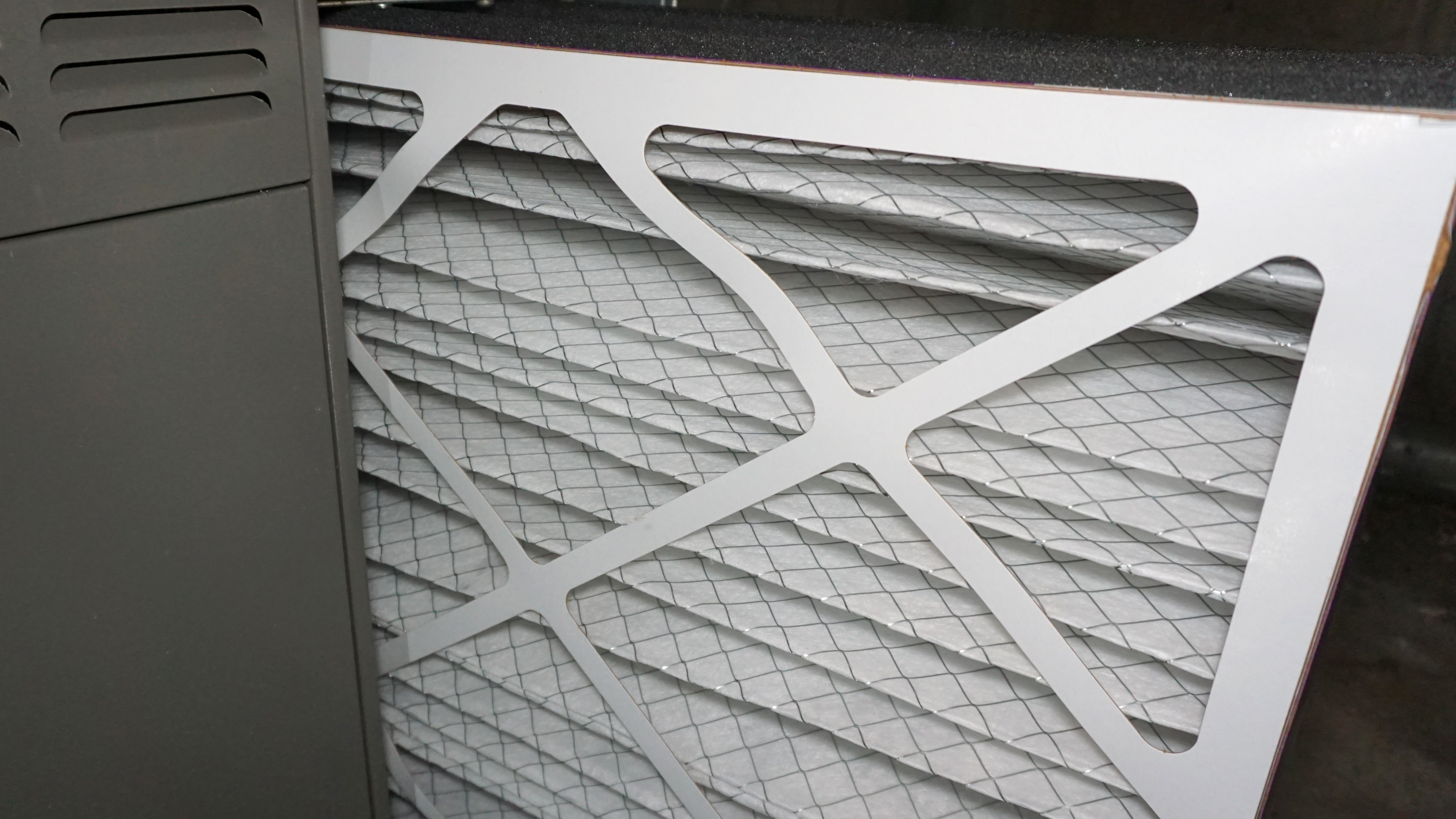
MERV stands for Minimum Efficiency Reporting Value, and it is a standard that rates the overall effectiveness of air filters. Created by the American Society of Heating, Refrigerating and Air-Conditioning Engineers (ASHRAE), MERV values fall on a scale from 1 to 20. The higher the MERV value, the more efficient the filter is at trapping airborne particles.
A filter with a lower MERV rating (1-4) is typically a basic filter that will capture larger particles like dust and pet hair. A filter with a mid-range MERV rating (5-12) will be able to capture smaller particles like mold spores and fine dust. High MERV rated filters (13-20) are usually used in commercial settings like hospitals or for individuals with serious respiratory issues or compromised immune systems, as they can capture tiny particles including tobacco smoke, viruses, and microscopic allergens.
While it might seem like a good idea to always get the highest MERV value filter, this isn’t always the case. Filters with higher MERV ratings can reduce airflow in the system because they are denser, which can make your HVAC system work harder and can potentially lead to higher energy bills or even damage the system if it’s not designed to handle such a high-efficiency filter. It’s always best to check your HVAC system’s manufacturer’s recommendations when selecting a filter.
WHY IS IT IMPORTANT TO CHANGE?
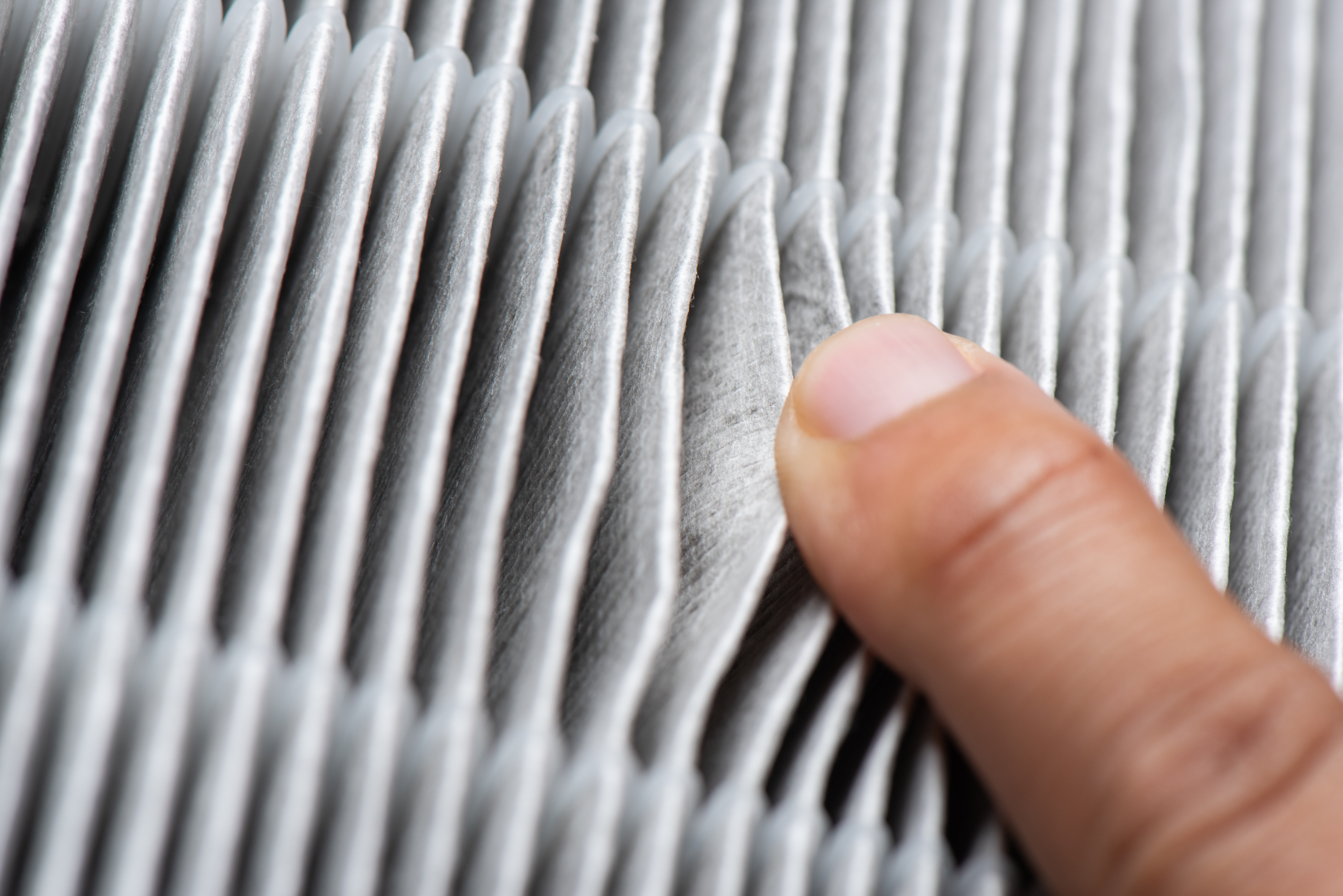
Regularly changing your furnace filter is important for several reasons. Firstly, it helps maintain your furnace’s efficiency. A clean filter allows for proper airflow, which means your furnace doesn’t have to work as hard to heat your home, reducing energy use and potentially lowering your utility bills. Secondly, it can help improve the air quality in your home by reducing the amount of dust, allergens, and other particulates that can be circulated through the HVAC system and into the air you breathe. Finally, regularly changing your furnace filter can also extend the lifespan of your furnace by preventing dust and dirt from accumulating and causing wear and tear on its parts.
Furnace Maintenance Schedule
Maintaining a regular furnace maintenance schedule is crucial for a variety of reasons. It helps ensure your furnace operates efficiently, extends its lifespan, guarantees consistent indoor comfort, and prevents expensive repair or replacement costs.
In essence, a well-maintained furnace is like a well-maintained car—it runs better, lasts longer, uses less energy, and presents fewer problems down the road. Typically, a furnace should be serviced at least once a year, preferably in the fall before the heating season begins.
WHAT IS DONE DURING ROUTINE MAINTENANCE
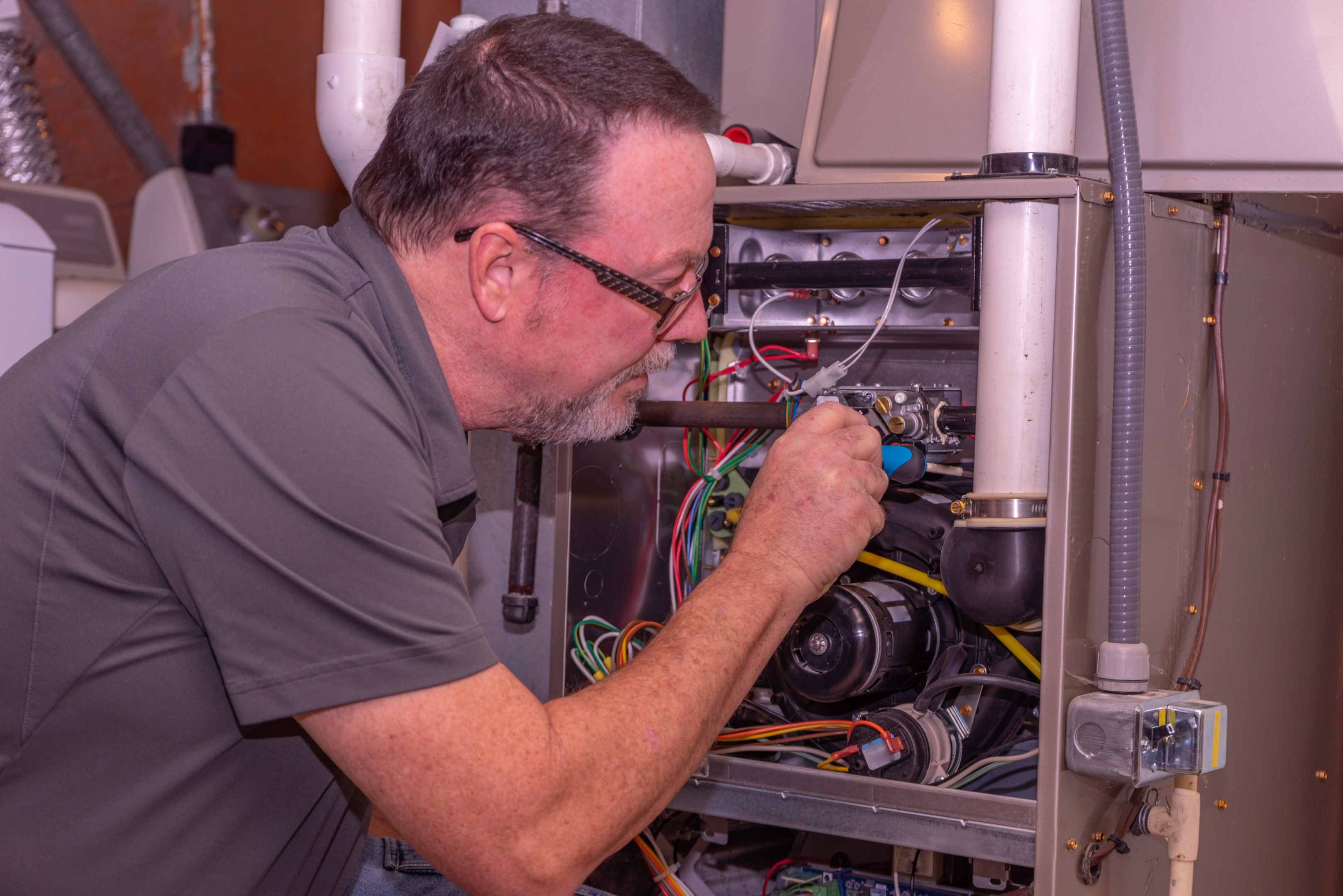
During a routine furnace maintenance, a professional HVAC technician performs a series of checks, tests, and cleaning tasks to ensure that the furnace is in good working condition. The exact procedures can vary depending on the type of furnace (gas, electric, oil, etc.), but generally, the process includes the following steps:
- Thorough Inspection: The technician begins by inspecting the entire furnace system. This includes checking the heat exchanger for signs of damage or corrosion, inspecting the blower system, examining electrical connections, making sure all ducts are properly sealed, and looking for any other visible issues.
- Cleaning: The interior of the furnace is cleaned to remove dust, dirt, and grime that can hinder performance. This includes cleaning the blower motor, the fan blades, cooling coils, heat exchangers and other internal components.
- Filter Replacement or Cleaning: The air filter is replaced or cleaned, depending on the type. This improves the furnace’s efficiency and air quality in the home.
- Checking the Thermostat: The technician will verify that the thermostat is working correctly and communicating properly with the furnace. They may also check that the thermostat is calibrated correctly to ensure accurate temperature readings.
- Checking Safety Devices: Safety devices such as the flame sensor and limit switch are checked to ensure they are functioning correctly.
- Testing Ignition and Burner: For gas furnaces, the technician will check the ignition system and burner assembly. They will look for a clean, blue flame that indicates the gas is burning efficiently.
- Checking the Vent System and Cold Air Grilles: The technician will make sure that air is flowing properly throughout your system and that there are no blockages in your vent system that could lead to a dangerous buildup of carbon monoxide.
- Lubrication: Any moving parts will be lubricated to reduce friction and wear, which helps extend the life of these parts and improves the efficiency of the furnace.
- Performance Test: Finally, the technician will typically run the furnace to observe a cycle, checking that the system starts, operates, and shuts off properly.
These maintenance tasks help to keep your furnace running smoothly and efficiently, prolong its lifespan, reduce the chance of unexpected breakdowns, and ensure safe operation. It’s generally recommended to schedule this type of service at least once a year.
